
Antimony Ore, a strategic and critical mineral, is becoming increasingly vital for modern industries, national security, and energy storage technologies. As the world transitions toward clean energy, advanced electronics, and strengthened defense systems, the demand for high-performance materials like antimony has surged.
Historically, antimony has been used for centuries in metallurgy, medicine, and manufacturing, but its importance today has grown significantly due to its unique chemical and physical properties. It is:
✔ Fire-resistant, making it indispensable for flame-retardant materials in construction and electronics.
✔ A crucial alloying element, enhancing the strength and durability of lead and other metals.
✔ Highly conductive, enabling its use in batteries, semiconductors, and military applications.
Despite its growing demand, securing a stable supply of antimony is increasingly difficult. The global supply chain is fragile, with production concentrated in a handful of countries. China dominates over 70% of global antimony production, creating geopolitical and economic risks for industries that depend on it. With rising trade tensions, environmental restrictions, and supply chain bottlenecks, governments and corporations are actively searching for alternative sources and investment opportunities to secure access to this critical mineral.
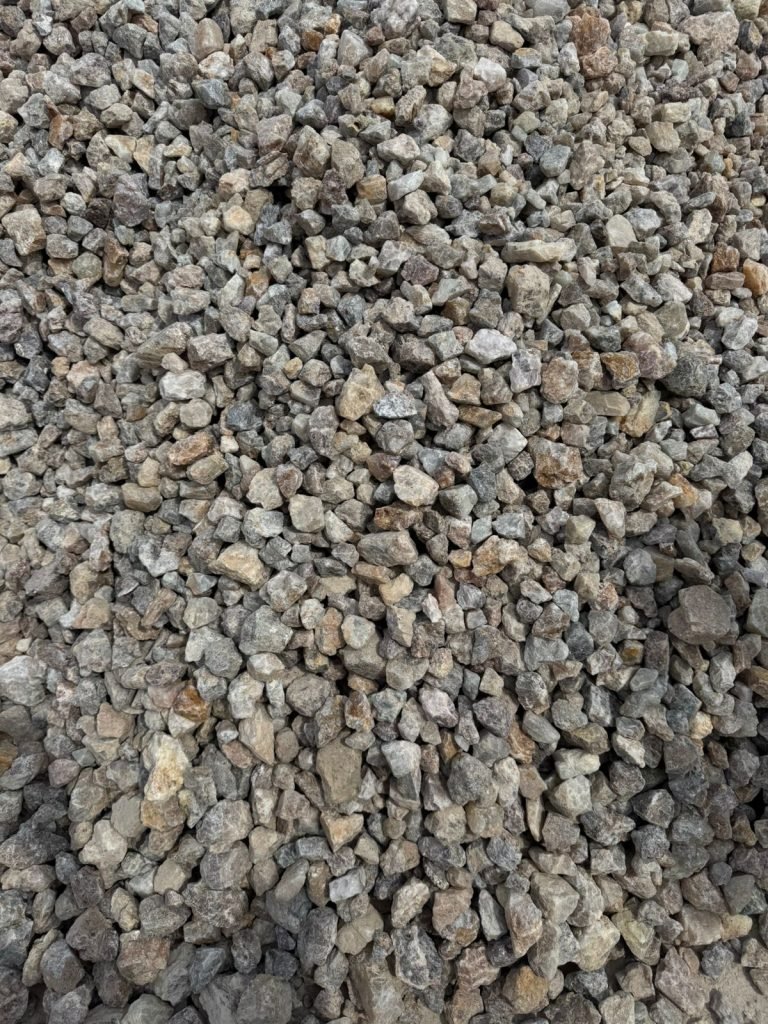
What This Article Covers
This article provides a comprehensive analysis of the antimony market, exploring:
- What antimony is and why it’s classified as a critical mineral
- The industries that are driving its increasing demand
- Supply chain risks, geopolitical concerns, and production challenges
- Future trends and predictions for the antimony market
- How Bare Syndicate provides a reliable, high-quality source of antimony
With the global push for energy independence, technological advancements, and strategic mineral security, antimony’s importance is only expected to grow. Companies and governments that act now to secure a reliable antimony supply will be better positioned for success in the rapidly evolving global economy.
Let’s dive deeper into what makes antimony such a critical mineral and why its demand is skyrocketing.
What is Antimony Ore?
Antimony (Sb) is a rare metalloid with unique physical and chemical properties, making it an essential material for modern industries, defense applications, and advanced manufacturing. Though it has been used for thousands of years, its strategic importance has grown dramatically in recent decades due to its critical role in energy storage, flame retardants, and high-tech materials.
Physical and Chemical Properties of Antimony
Antimony is primarily extracted from stibnite ore (Sb₂S₃) and possesses the following key characteristics:
- High resistance to heat and corrosion – making it ideal for industrial coatings and protective materials.
- Excellent flame-retardant properties – widely used in plastics, textiles, and insulation to improve fire safety.
- Alloy-strengthening ability – when mixed with lead or other metals, antimony enhances durability and mechanical properties, making it essential in batteries, ammunition, and metal components.
Due to these properties, antimony has become a strategic material in industries that require high-performance and safety-critical applications.
Historical Uses of Antimony
While antimony is now a crucial component of modern technology and defense systems, its usage dates back thousands of years.
Ancient Egypt & Rome
- In ancient Egypt, antimony compounds were used in cosmetics, particularly kohl, a black eyeliner believed to protect against eye infections and the sun’s glare.
- The Romans used antimony-based medicines and pigments, as well as early metallurgical applications.
Middle Ages
- During the Middle Ages, alchemists experimented with antimony, believing it had transformative properties.
- Metallurgists began incorporating antimony into lead-based alloys, enhancing the durability of tools, weapons, and cast metal objects.
Industrial Revolution
- With the rise of industrialization, antimony became a key material in lead-acid batteries, which were used in early automobiles, telecommunication systems, and electrical backup systems.
- Flame retardants made with antimony became essential in construction materials, protective gear, and household products to improve fire resistance.
Why Antimony is Now Considered a Critical Mineral
Today, antimony is recognized as a strategic and critical mineral due to its essential role in national security, energy storage, and industrial manufacturing. Unlike common metals such as copper or aluminum, antimony has a limited supply, with production concentrated in just a few countries—primarily China, Russia, and Bolivia.
Governments around the world, particularly the United States and European Union, have classified antimony as a critical raw material due to:
- Its importance in defense and military applications (e.g., ammunition, armor-piercing rounds, and communications equipment).
- Growing demand for energy storage solutions, particularly in next-generation batteries.
- Supply chain vulnerabilities and geopolitical risks, as China controls over 70% of global antimony production.
As industries continue to advance and global security concerns increase, securing a stable and ethical supply of antimony has become a top priority for businesses and governments alike.
In the next section, we’ll explore the industries driving antimony’s increasing demand and why its market value is expected to grow in the coming years.
Why is Antimony Considered a Critical Mineral?
Antimony has been officially classified as a critical mineral by the U.S. Department of the Interior, the European Union, and other global agencies due to its strategic importance, limited production sources, and growing demand across high-tech industries. This designation highlights its role as an essential material for economic security, defense capabilities, and emerging technologies.
The key factors that make antimony a critical mineral include:
- Essential Role in National Security and Defense – Antimony is a crucial material for military applications, ammunition, and advanced defense systems.
- Limited Global Production & Supply Chain Risks – The vast majority of antimony is mined and processed in China, Russia, and a few other nations, making its supply highly vulnerable to geopolitical instability.
- Growing Demand from High-Tech Industries – Antimony is becoming indispensable in next-generation batteries, flame-retardant materials, semiconductors, and industrial applications.
As governments and corporations push for supply chain resilience and strategic resource security, antimony’s importance in modern industries and defense applications is expected to grow.
Key Applications of Antimony
Antimony plays a vital role in multiple industries, but its greatest demand comes from defense, energy storage, and fire-resistant materials. Below are some of the most significant applications:
1. Defense & Military
Antimony is a critical material for national security, with applications in munitions, military technology, and advanced weaponry.
- Ammunition & Explosives – Used in armor-piercing rounds, tracer bullets, and explosive formulations for military operations.
- Night Vision & Optics – Essential in infrared detectors and night vision goggles for modern warfare.
- Communications & Power Systems – Used in military-grade batteries and electronics to enhance performance and durability in combat environments.
The U.S. Department of Defense has identified antimony as a strategic material, making efforts to diversify and secure alternative supply sources.
2. Energy Storage & Battery Technology
The rise of renewable energy and electrification has placed antimony at the center of next-generation battery innovation.
- Liquid Metal Batteries – Advanced grid-scale energy storage solutions, pioneered by MIT, use antimony-based electrodes for longer battery life and enhanced efficiency.
- Lead-Acid Batteries – Used in vehicles, UPS backup systems, and industrial power storage, with antimony strengthening the lead plates for durability and performance.
As demand for sustainable energy storage solutions grows, antimony’s role in battery technologies is set to expand, increasing its strategic value in global energy markets.
3. Flame Retardants & Fire-Resistant Materials
Over 50% of global antimony consumption is dedicated to flame retardant production, highlighting its role in fire safety across multiple industries.
- Electronics & Plastics – Antimony-based flame retardants are used in circuit boards, household appliances, and power cables to prevent electrical fires.
- Textiles & Insulation – Found in fire-resistant clothing, carpets, and industrial insulation for enhanced safety compliance.
- Fire-Resistant Coatings – Applied in construction materials, aircraft interiors, and automotive componentsto meet strict fire regulations.
With increasing fire safety standards and regulations worldwide, the demand for antimony-based flame retardantsis expected to remain strong.
4. Semiconductors & Advanced Electronics
Antimony plays a growing role in high-performance electronic components and industrial applications.
- Semiconductors & Diodes – Used in high-speed transistors and microelectronics, improving energy efficiency.
- Infrared Sensors & Detectors – Enables thermal imaging and security systems in defense, aerospace, and industrial applications.
- High-Performance Alloys – When alloyed with lead, tin, or other metals, antimony enhances strength, corrosion resistance, and conductivity for industrial components.
As the global electronics and semiconductor industries expand, antimony’s importance in next-generation technology development will continue to rise.
The Rising Demand for Antimony
As industries evolve and technology advances, antimony’s demand is surging across multiple sectors, including energy storage, defense, and fire safety. The growing reliance on renewable energy, military applications, and flame-retardant materials is solidifying antimony’s position as a critical mineral essential for modern industrial development.
Below, we explore the three major drivers behind the increasing demand for antimony and why securing a stable supply is becoming a priority for governments and industries worldwide.
1. Growth of the Battery & Energy Sector
Antimony’s Role in Next-Generation Batteries
As the world transitions toward renewable energy and energy storage solutions, the demand for high-performance batteries is skyrocketing. One of the most promising battery technologies, liquid metal batteries, developed by researchers at MIT, uses antimony-based electrodes for enhanced efficiency, longevity, and cost-effectiveness.
Liquid metal batteries offer several advantages:
- Longer lifespan – Capable of lasting 15+ years, making them ideal for grid-scale energy storage.
- Higher efficiency – Less energy loss compared to traditional lithium-ion batteries.
- Lower cost – Antimony is more abundant and cost-effective than other high-performance battery materials.
These batteries are designed to support renewable energy grids, storing excess energy from solar and wind powerfor later use. As global electricity demand increases and clean energy adoption accelerates, antimony’s role in sustainable battery technology will become even more significant.
Continued Demand from Lead-Acid Batteries
While lithium-ion and liquid metal batteries are gaining momentum, lead-acid batteries remain a dominant force in global energy storage. Used in automobiles, uninterruptible power supply (UPS) systems, and backup power grids, lead-acid batteries depend on antimony to strengthen lead plates, enhancing battery durability and performance.
Key industries driving lead-acid battery demand include:
- Automotive sector – Cars, trucks, and industrial vehicles rely on lead-acid batteries for ignition and power storage.
- Telecommunications – UPS systems ensure continuous operation of data centers and communication networks.
- Energy infrastructure – Backup power grids rely on lead-acid batteries to prevent blackouts and power failures.
As global electricity demand continues to rise, lead-acid batteries will remain an essential energy storage solution, further increasing antimony consumption.
2. Increased Military and Defense Spending
Why Antimony is Essential for National Security
Antimony is a strategic material for military applications, and governments worldwide are increasing defense budgets to secure a reliable supply. The U.S. Department of Defense has identified antimony as critical to national security, leading to greater efforts in stockpiling and diversifying supply sources.
Antimony’s Key Military Applications
- Ammunition and Explosives – Antimony is a key component in armor-piercing rounds, tracer bullets, and explosive formulations, enhancing performance and reliability.
- Military-Grade Batteries – Used in communications systems, drones, and portable power units, antimony-based batteries provide durability in extreme conditions.
- Night Vision & Infrared Equipment – Advanced optics, thermal imaging, and night vision devices rely on antimony-based semiconductors.
- Fireproof Materials for Defense – Military vehicles, protective gear, and aircraft interiors require flame-retardant materials containing antimony.
Geopolitical Concerns and Supply Chain Risks
The global antimony supply chain is highly concentrated, with China controlling over 70% of production. This raises concerns over export restrictions, trade disputes, and political instability, making secure domestic supply chains a priority for governments worldwide.
In response, the United States and European Union are actively seeking:
- New mining projects in Canada, Australia, and the U.S. to reduce reliance on China.
- Recycling initiatives to recover antimony from military waste and industrial byproducts.
- Strategic stockpiling of antimony reserves to ensure defense readiness.
With global tensions rising and defense modernization efforts increasing, antimony’s role in military and national security applications will remain indispensable.
3. Growing Use in Fire-Resistant Materials
Stricter Fire Safety Regulations Driving Demand
As governments impose stricter fire safety laws, industries such as construction, automotive, and consumer electronics are increasing their use of antimony-based flame retardants.
How Antimony Improves Fire Safety
Antimony compounds, particularly antimony trioxide (Sb₂O₃), act as fire suppressants in various materials by:
- Reducing flammability – Preventing plastics, textiles, and electronics from catching fire easily.
- Enhancing thermal resistance – Delaying the spread of flames in building materials and furniture.
- Self-extinguishing properties – Helping stop fires once ignition occurs.
Industries Increasing Antimony Usage in Flame Retardants
- Electronics & Consumer Goods
- Smartphones, laptops, and household appliances use fire-resistant plastic components.
- Power cables and circuit boards contain antimony-based flame retardants to prevent electrical fires.
- Construction & Insulation
- Antimony is used in fireproof building materials, paints, and insulation for commercial and residential properties.
- Global construction standards are increasing fireproofing requirements, further boosting demand.
- Automotive & Aerospace
- Car manufacturers use antimony-based flame retardants in seat cushions, dashboards, and electrical wiring.
- Aircraft interiors require fire-resistant coatings, where antimony plays a crucial role.
The Future of Flame Retardants
With urbanization expanding and fire safety standards tightening, antimony-based flame retardants will remain essential in global manufacturing and infrastructure development.
Supply Chain and Geopolitical Challenges: The Struggle for Secure Antimony Supply
As demand for antimony continues to grow, securing a stable and reliable supply has become increasingly difficult. The global antimony supply chain is fragile, with production highly concentrated in a few key countries—most notably China, Russia, Bolivia, Tajikistan, and Myanmar. This creates significant risks for industries that depend on antimony for energy storage, defense, electronics, and flame-retardant applications.
Key Challenges in the Antimony Supply Chain:
- China’s dominance in production and refining makes the global market vulnerable to export restrictions, price manipulation, and supply disruptions.
- Limited mining operations outside of China mean that industries have few alternative suppliers to turn to in case of geopolitical instability.
- Efforts to diversify antimony sources through new mining projects, recycling initiatives, and material alternatives are still in their early stages, making supply shortages a major concern.
In this section, we’ll take a closer look at why securing antimony is such a challenge and how industries and governments are working to reduce dependency on Chinese supply.
1. China’s Dominance in Antimony Production
Why China Controls the Antimony Market
China has been the world’s largest producer of antimony for decades, controlling over 70% of global supply. This dominance stems from:
- Large, high-grade antimony reserves, particularly in the Guizhou and Hunan provinces.
- Low-cost mining and refining operations, allowing Chinese producers to undercut competitors and dominate the global market.
- State-controlled production quotas, which regulate how much antimony is mined and exported each year.
Risks Associated with China’s Control Over Antimony
China’s near-monopoly on antimony production creates several key risks for global industries:
- Export Restrictions & Trade Policies
- The Chinese government has a history of imposing export bans and trade restrictions on critical minerals.
- In 2023, China placed new restrictions on gallium and germanium exports, signaling that antimony could be next.
- Countries heavily reliant on Chinese antimony imports, such as the United States, Japan, and European nations, face potential supply disruptions.
- Market Manipulation & Price Volatility
- Because China controls the majority of supply, it can set prices and production levels, leading to artificial price inflation.
- Production quotas and export licensing systems allow China to limit supply, driving up global antimony prices.
- Price fluctuations make it difficult for manufacturers and defense contractors to plan long-term production and sourcing strategies.
- Environmental Regulations in China
- The Chinese government is tightening environmental laws, forcing many polluting mines and refineries to shut down.
- Stricter pollution controls on mining operations could further reduce antimony output, worsening global shortages.
- With fewer operating mines, supply chain disruptions could become even more frequent in the coming years.
As China continues to tighten control over its mineral exports, industries dependent on antimony must look elsewhere to secure a reliable supply.
2. Limited Mining Operations Outside China
Other Major Antimony Producers and Their Challenges
Although China dominates antimony production, other countries—including Russia, Bolivia, Tajikistan, and Myanmar—also contribute to global supply. However, these nations face political, economic, and logistical challenges, making them unreliable long-term suppliers.
- Russia – The war in Ukraine and economic sanctions have impacted Russia’s mining and export capacity, limiting its role as an alternative supplier.
- Bolivia – Has significant antimony reserves, but lack of investment in modern mining infrastructure has made production inefficient.
- Tajikistan – Politically unstable, with limited refining capabilities and heavy dependence on Chinese trade routes.
- Myanmar – Civil unrest and military conflict have disrupted mining operations, making the country an unpredictable supplier.
Why This Creates Supply Chain Risk
- With no diversified sources, a disruption in any of these regions can cause global shortages and price spikes.
- Western nations lack large-scale antimony production, making them highly vulnerable to supply shocks.
- Reliability concerns in these alternative producers make reducing dependence on China difficult.
To counteract these risks, governments and companies are looking for alternative sources of antimony through new mining projects and recycling initiatives.
3. Search for Alternative Sources & Recycling Efforts
1. Exploring New Antimony Mining Projects
To reduce reliance on China, nations such as the United States, Canada, and Australia are investing in new antimony mining operations.
- The United States is reviving domestic production through projects like the Stibnite Gold Project in Idaho, which aims to become a key supplier of U.S.-mined antimony.
- Canada and Australia are exploring new mining ventures, with a focus on sustainable and ethical antimony extraction.
- The European Union is investing in resource security, looking for alternative mining sites within Europe and Africa.
While these projects offer long-term supply solutions, they take years to develop, meaning global antimony shortages will persist in the near future.
2. Investing in Antimony Recycling
Another promising solution is recovering antimony from industrial waste, used batteries, and scrap materials.
- Lead-acid battery recycling – Lead-acid batteries contain antimony-strengthened lead plates, which can be processed to recover antimony for reuse.
- Industrial waste recycling – Some industrial byproducts contain trace amounts of antimony, which can be extracted through advanced refining techniques.
- Government-led recycling initiatives – The U.S. and European Union are funding programs to increase critical mineral recycling capacity.
Challenges with Recycling Antimony:
- Current recycling rates are low, as traditional recycling methods recover only small amounts of antimony.
- Scaling up recycling infrastructure will take time and significant investment.
- Recycling alone cannot meet the world’s growing demand for antimony.
3. Developing Alternative Materials
Scientists and engineers are researching potential substitutes for antimony, but so far, few viable alternatives exist.
- In batteries, some companies are experimenting with sodium-based or alternative metal electrodes, but none have matched antimony’s efficiency.
- In flame retardants, halogen-free alternatives are being tested, but antimony remains one of the most effective options.
- In alloys, researchers are exploring new metal blends, but antimony’s unique properties are difficult to replicate.
Because replacements for antimony are still under development, demand for the mineral remains strong and will likely continue to grow.
Future Outlook for the Antimony Market: Rising Demand, Supply Risks, and Global Investment Trends
The global antimony market is entering a critical phase, driven by rising industrial demand, geopolitical uncertainties, and efforts to diversify supply sources. As industries continue to depend on antimony for batteries, defense, and fire-resistant materials, its importance as a strategic and critical mineral will only grow.
However, limited global production capacity, supply chain vulnerabilities, and price volatility remain significant challenges. Governments and corporations are now actively seeking alternative mining projects, recycling initiatives, and supply chain security measures to ensure long-term stability.
Below, we explore key trends and forecasts shaping the future of the antimony market over the next decade.
1. Antimony Demand Expected to Grow by 5–7% Annually
Key Drivers of Antimony Demand Growth
✔ Battery Market Expansion – The rise of liquid metal batteries and the continued use of lead-acid batteries in energy storage and automotive industries will increase antimony consumption.
✔ Defense & Military Needs – Countries are expanding military stockpiles and production, fueling demand for antimony-based ammunition, armor, and communications systems.
✔ Fire-Resistant Materials – Stricter fire safety regulations worldwide are driving increased use of antimony trioxide in flame retardants.
✔ Electronics & Semiconductors – Antimony’s growing role in infrared detectors, diodes, and high-tech alloys is expected to support market expansion.
Projected Growth in Different Sectors
- Batteries & Energy Storage: Estimated 8–10% growth annually as renewable energy adoption and grid storage projects increase.
- Defense & Military: Expected 5–7% growth, particularly in Western nations increasing strategic stockpiles.
- Flame Retardants & Industrial Applications: Anticipated 4–6% growth, driven by construction, automotive, and electronics safety standards.
Given these trends, global antimony demand is projected to grow by an average of 5–7% annually over the next decade.
2. Price Volatility Expected Due to Supply Constraints & Geopolitical Risks
Key Factors Influencing Antimony Prices
- China’s Control Over Supply
- With China dominating over 70% of global antimony production, any changes in export policies, production quotas, or environmental regulations could trigger major price fluctuations.
- If China imposes export restrictions, prices could skyrocket due to supply shortages.
- Geopolitical Instability in Other Producing Nations
- Russia, Myanmar, Tajikistan, and Bolivia are the next largest antimony producers, but these regions face political instability, economic sanctions, and operational disruptions.
- Myanmar’s ongoing military conflict and Russia’s geopolitical tensions make them unreliable suppliers, adding uncertainty to the market.
- Increasing Demand Outpacing New Supply
- While demand is rising, new mining projects take years to develop.
- Until alternative sources come online, the imbalance between supply and demand will keep prices volatile.
What This Means for Businesses & Governments
✔ Companies using antimony-based products (batteries, flame retardants, and military applications) must prepare for potential cost increases.
✔ Governments stockpiling critical minerals could increase market competition, further driving up prices.
✔ Long-term contracts with reliable suppliers will become crucial for businesses seeking stable pricing and supply security.
3. Investment in Non-Chinese Mining Operations to Expand Global Production
Countries & Companies Investing in Alternative Antimony Sources
Due to growing concerns over China’s dominance in the antimony market, several countries and mining firms are investing in new antimony production projects:
- United States:
- The U.S. is reviving domestic antimony mining, particularly through the Stibnite Gold Project in Idaho.
- The U.S. Department of Defense has classified antimony as a strategic resource and is actively funding mining and recycling initiatives.
- Canada & Australia:
- Both countries are exploring new mining opportunities and seeking to reduce dependence on Chinese-controlled supply chains.
- Australian companies are ramping up resource exploration to expand domestic and regional antimony production.
- European Union:
- The EU is investing in alternative mining sources in Africa and South America.
- European manufacturers are diversifying their supply chains to avoid potential trade disruptions from China.
While these efforts are promising, it will take years before new mining operations reach full-scale production, meaning short-term supply constraints will persist.
4. Antimony Recycling & Sustainability Efforts on the Rise
Why Antimony Recycling is Becoming a Key Solution
✔ Reducing reliance on new mining operations
✔ Lowering environmental impact by recovering antimony from waste materials
✔ Creating a secondary supply chain that is less dependent on geopolitical risks
Current Antimony Recycling Initiatives
- Lead-Acid Battery Recycling
- Since lead-acid batteries contain antimony, recycling them can recover significant amounts of antimony for reuse.
- Several companies are investing in advanced recycling technologies to improve recovery efficiency.
- Electronic Waste Processing
- Old circuit boards and semiconductors contain trace amounts of antimony-based components.
- New techniques for extracting antimony from e-waste are being developed to create a circular economy for critical minerals.
- Government-Led Recycling Programs
- The U.S., European Union, and Japan are increasing funding for critical mineral recycling.
- Some nations are setting mandatory recycling targets to reduce dependence on imported antimony.
While recycling will not fully replace mined antimony, it will play a growing role in stabilizing supply and reducing market volatility.
Why Buy from Bare Syndicate?
As antimony demand continues to rise across industries such as energy storage, defense, electronics, and fire-resistant materials, securing a reliable, high-quality, and ethically sourced supply is more critical than ever. The geopolitical risks and supply chain disruptions affecting global antimony markets make it essential for businesses to partner with a trustworthy supplier that ensures stability, transparency, and long-term availability.
Why Bare Syndicate is the Best Choice for Antimony Procurement
1. High-Purity Antimony Supply
Bare Syndicate provides premium-grade antimony that meets the highest industry standards. Whether you need antimony for batteries, semiconductors, flame retardants, or defense applications, our materials offer:
✔ Consistent purity levels to ensure optimal performance in industrial and technological applications.
✔ Customizable specifications to meet specific industry and manufacturing requirements.
2. Ethical Sourcing & Compliance
We understand that responsible mining practices are essential for a sustainable and ethical supply chain. That’s why Bare Syndicate is committed to:
✔ Sourcing from compliant, regulated suppliers that adhere to international mining standards.
✔ Ensuring fair labor practices and environmental responsibility in all supply chain operations.
✔ Meeting global regulatory requirements, including REACH compliance, RoHS standards, and conflict-free sourcing certifications.
3. Reliable Global Logistics & On-Time Delivery
Supply chain disruptions can have serious financial and operational consequences for businesses that rely on antimony. Bare Syndicate guarantees:
✔ Secure international shipping with end-to-end tracking and efficient customs clearance.
✔ On-time delivery to major industrial hubs worldwide, reducing supply chain risks.
✔ Flexible logistics solutions, including bulk shipments and just-in-time (JIT) delivery options.
4. Competitive Pricing & Custom Orders
Bare Syndicate understands that pricing stability and flexibility are crucial in a volatile antimony market. We offer:
✔ Competitive, market-driven pricing to help businesses manage costs effectively.
✔ Custom order solutions, including large-scale industrial shipments or specialized batch sizes.
✔ Long-term supply contracts, ensuring price security and uninterrupted access to antimony.
Secure Your Antimony Supply Today
With global antimony supply facing increasing challenges, partnering with a dependable and ethical supplier like Bare Syndicate ensures that your business stays ahead of potential disruptions.
- Need a reliable source of high-purity antimony for your industrial operations?
- Looking for stable pricing, ethical sourcing, and efficient delivery solutions?
- Want to reduce dependence on volatile global markets and secure a long-term supply?
Contact Bare Syndicate Today
Let’s discuss your antimony supply needs and create a tailored sourcing solution for your business. Secure your supply now and gain a competitive edge in the evolving antimony market.
Sources:
- International Energy Agency (IEA)
- US Geological Survey (USGS)
- S&P Global
- Defense Logistics Agency (DLA)
Want to Stay Ahead in the Evolving Metal & Mining Industry?
The global metal ore and mining industry is undergoing rapid transformation, driven by sustainability initiatives, economic shifts, technological advancements, and supply chain disruptions. Learn how Sustainable Mining Practices Are Evolving and explore the Impact of Emerging Technologies on Mining. Gain insights into Economic Shifts Affecting Metal Ore Supply Chains and Predictions for the Global Metal Ore Market. Plus, stay informed about The Future of the Global Copper Supply Chain and the Key Differences Between Copper Concentrate & Refined Copper. Read our latest expert analyses to make informed decisions in this evolving landscape.
Why Buy from Bare Syndicate?
As supply chain uncertainties grow and market volatility impacts industrial metals, securing a trusted supplier is more critical than ever. Bare Syndicate is a leading provider of high-purity metals and minerals, offering:
✔ Ethically sourced materials compliant with global mining standards.
✔ Reliable logistics & global supply chain solutions to ensure timely deliveries.
✔ Competitive pricing & flexible contracts to protect against market fluctuations.
✔ Custom orders & bulk supply options tailored to industrial needs.
Whether you need copper concentrate, refined copper, or other strategic materials, Bare Syndicate provides quality, consistency, and long-term supply security. Partner with us today and safeguard your business against future supply chain disruptions. Contact us now to discuss your requirements.
