
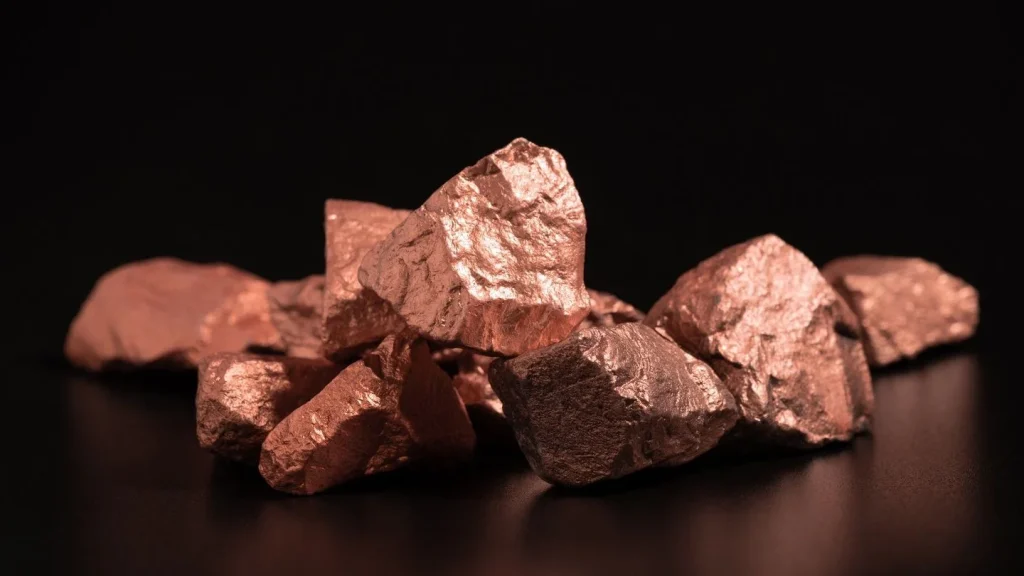
Copper is one of the most versatile and essential metals in modern industry, serving as a backbone for electronics, construction, manufacturing, and renewable energy. Its excellent electrical and thermal conductivity, corrosion resistance, and durability make it a preferred material in countless applications. However, businesses that rely on copper must make a crucial decision:
Should they source copper in the form of copper concentrate or refined copper?
This decision is not just about cost—it impacts supply chain efficiency, processing requirements, and overall business operations. The two forms of copper have distinct advantages and limitations that make them suitable for different industries.
- Copper concentrate is a semi-processed material, extracted from raw copper ore but still containing impurities like sulfur and iron. It must undergo further refining before it can be used in industrial applications.
- Refined copper is a high-purity (99.9% or greater) product that is ready for direct use in manufacturing and industrial production.
Why Does the Choice Matter?
Different industries have different needs when it comes to copper:
- Smelters and refiners may prefer copper concentrate because they have the infrastructure to process it into pure copper.
- Manufacturers of electrical components, construction materials, and renewable energy infrastructure require refined copper because it is ready for immediate application.
Factors to Consider When Choosing Between Copper Concentrate and Refined Copper
Making the right choice depends on several key business considerations:
✔️ Cost: Copper concentrate is typically cheaper per ton than refined copper, but additional refining costs must be considered.
✔️ Processing Capabilities: If your business has the infrastructure to refine copper, concentrate may be more cost-effective. If not, refined copper is the better option.
✔️ Supply Chain Logistics: Copper concentrate requires specialized handling, transportation, and smelting, which may add to operational costs.
✔️ End-Use Applications: The intended purpose of the copper—whether for wire manufacturing, electronics, construction, or industrial machinery—determines the required purity level.
What This Article Covers
In this article, we’ll take a deep dive into the key differences between copper concentrate and refined copper, including:
- What copper concentrate and refined copper are, and how they are produced
- The major differences in cost, processing, logistics, and industrial applications
- Which option is best for different types of businesses
By the end, you’ll have a clear understanding of which type of copper is the best fit for your business, allowing you to make an informed and strategic purchasing decision.
Now, let’s break down what each form of copper is and how it is used.
What is Copper Concentrate?
Definition & Composition
Copper concentrate is an intermediate product in the copper refining process, consisting of 20% to 40% copper content along with other minerals such as sulfur, iron, and trace elements like gold and silver. It is produced through a series of crushing, grinding, and flotation techniques that separate copper-bearing minerals from unwanted rock and impurities.
Unlike refined copper, which is ready for direct industrial use, copper concentrate must undergo further smelting and refining to extract high-purity copper suitable for manufacturing applications.
Composition Breakdown
- Copper (20%–40%) – The primary metal extracted.
- Sulfur (20%–30%) – A common byproduct, often converted into sulfuric acid.
- Iron & Other Impurities (10%–30%) – Includes trace elements like gold, silver, and molybdenum, which can be recovered during refining.
Processing & Refinement
Copper concentrate undergoes multiple processing steps before being converted into pure copper.
1. Mining & Concentration
- Copper ore is extracted from open-pit or underground mines.
- The raw ore is crushed and ground into fine particles to increase surface area for further processing.
2. Flotation Process
- Chemical reagents are added to a slurry of finely ground copper ore.
- Copper-rich minerals attach to air bubbles and float to the surface, separating them from waste rock.
- The result is a concentrated copper slurry with a significantly higher copper content.
3. Drying & Transport
- The slurry is filtered and dried, reducing moisture content for easier transportation.
- Copper concentrate is then shipped to smelters and refineries worldwide for further processing.
Industries That Use Copper Concentrate
Since copper concentrate is not a finished product, it is primarily purchased by:
1. Smelters and Refiners
- These facilities process copper concentrate into refined copper through pyrometallurgical (smelting) or hydrometallurgical (leaching) methods.
- The refined copper is then used in electrical wiring, construction, transportation, and electronics manufacturing.
2. Metal Traders
- Global trading companies buy and sell copper concentrate, supplying smelters, refineries, and manufacturers.
- These traders help stabilize supply chains by sourcing from different mining regions.
3. Mining Companies with Integrated Smelting Operations
- Some mining corporations own both mines and smelting facilities, refining their own copper concentrate to maximize profit margins and control production costs.
Advantages of Copper Concentrate
1. Lower Initial Cost
- Copper concentrate is less expensive than refined copper because it requires further processing before industrial use.
- This makes it a cost-effective raw material for smelters that have refining capabilities.
2. Higher Availability & Scalable Supply
- Mines produce more copper concentrate than refined copper, ensuring a steady global supply.
- Countries like Chile, Peru, and China are among the top copper concentrate producers.
3. Strategic Investment for Smelters
- Smelters and refiners prefer copper concentrate because it allows them to:
- Control refining processes and costs.
- Extract valuable byproducts (gold, silver, molybdenum).
- Optimize energy efficiency in smelting operations.
Disadvantages of Copper Concentrate
1. Requires Refining Before Use
- Copper concentrate cannot be used directly in most industries.
- The smelting process requires high energy input and generates metallic byproducts that must be handled properly.
2. Higher Logistics & Transport Costs
- Due to its weight and impurity content, shipping copper concentrate is more expensive than refined copper.
- Specialized bulk carriers or containers are needed for transport to prevent environmental contamination.
3. Environmental Impact & Regulations
- Smelting copper concentrate releases sulfur dioxide (SO₂), a major pollutant.
- Countries with strict environmental policies (EU, US, Canada) require advanced emission control systems in smelters.
- Mining and smelting operations must comply with global sustainability initiatives like the International Copper Association’s (ICA) Responsible Sourcing Standards.
External Sources & References
For more detailed insights on copper concentrate production, processing, and market trends, refer to these authoritative sources:
✔ International Copper Study Group (ICSG) – Provides global copper market reports and production statistics.
🔗 https://www.icsg.org
✔ US Geological Survey (USGS) – Offers detailed reports on copper resources, mining, and global supply.
🔗 https://www.usgs.gov/
✔ London Metal Exchange (LME) – Tracks copper prices, trade volumes, and global market forecasts.
🔗 https://www.lme.com
✔ International Copper Association (ICA) – Covers sustainability efforts, industry innovations, and copper’s role in global industries.
🔗 https://copperalliance.org
✔ World Bank Commodity Markets Outlook – Analyzes copper price trends, supply chain risks, and demand forecasts.
🔗 https://www.worldbank.org/en/research/commodity-marketsWhat is Refined Copper?
Definition & Purity
Refined copper is a high-purity form of copper, typically 99.9% pure or higher, that is ready for direct industrial and manufacturing use. Unlike copper concentrate, which requires further refining, refined copper has already undergone extensive purification processes, removing impurities such as sulfur, iron, and other unwanted minerals.
Due to its high conductivity, corrosion resistance, and durability, refined copper is an essential material in electronics, construction, automotive manufacturing, and renewable energy technologies.
Composition & Purity Levels
- 99.9%+ Pure Copper – Ensures superior electrical and thermal conductivity.
- Minimal Impurities – Refined copper contains traces of silver, gold, and oxygen, but significantly fewer contaminants compared to copper concentrate.
- Available in Various Forms – Produced as copper cathodes, wire rods, tubes, and sheets for industrial applications.
Processing Methods for Refined Copper
Refined copper is produced through two primary metallurgical processes, followed by casting and shaping into commercial forms.
1. Pyrometallurgical Process (Smelting & Converting)
- Copper concentrate is heated in a furnace at extremely high temperatures (above 1,200°C / 2,192°F).
- Impurities like sulfur and iron are separated, leaving behind a copper-rich matte (60%–70% Cu).
- The matte is further refined into blister copper (98%–99% Cu) before being purified to 99.9% pure copper.
2. Electrorefining (Electrowinning Process)
- The copper-rich matte is dissolved in an electrolyte solution and subjected to an electric current.
- High-purity copper ions deposit onto cathodes, producing copper cathodes that are 99.9% pure.
- This process eliminates remaining contaminants, ensuring superior conductivity and industrial-grade quality.
3. Casting & Shaping for Industrial Use
- The purified copper is then cast into various commercial forms, such as:
- Copper cathodes – Large sheets used in manufacturing and industrial processing.
- Wire rods & cables – Essential for electrical wiring applications.
- Copper sheets & tubes – Used in construction, plumbing, and industrial equipment.
Industries That Use Refined Copper
Refined copper is a critical material for industries requiring high-purity copper for electrical, structural, and mechanical applications. Some of the largest consumers include:
1. Electronics & Electrical Wiring
- Circuit boards, power cables, and transformers rely on refined copper’s superior conductivity.
- Used in semiconductors, microprocessors, and telecommunications equipment.
2. Construction & Plumbing
- Copper pipes, roofing materials, and building structures benefit from copper’s durability and corrosion resistance.
- Essential for HVAC systems and industrial piping.
3. Automotive & Electric Vehicles (EVs)
- EV batteries, wiring harnesses, and electric motors require copper for energy transmission and efficiency.
- Charging stations and power distribution systems rely on refined copper.
4. Renewable Energy & Power Infrastructure
- Used in solar panel wiring, wind turbine components, and battery storage systems.
- Critical for high-efficiency energy transmission in power grids.
✔ With the transition to clean energy and electrification, the demand for refined copper is expected to grow exponentially.
Advantages of Refined Copper
1. Ready for Immediate Use
- Unlike copper concentrate, refined copper does not require additional smelting or refining, making it ideal for direct industrial applications.
- Saves time and processing costs for manufacturers.
2. Higher Market Value
- Due to its high purity and widespread demand, refined copper commands higher global market prices.
- Used in industries with strict material quality standards, such as electronics and renewable energy.
3. Lower Environmental Impact
- Since the refining process has already been completed, refined copper avoids additional smelting-related emissions.
- Reduces industrial waste and carbon footprint, making it a more sustainable material.
Disadvantages of Refined Copper
1. Higher Cost
- The additional refining steps involved in processing increase production costs, making refined copper more expensive than copper concentrate.
- Prices are influenced by mining supply constraints, energy costs, and market demand.
2. Supply Constraints & Geopolitical Risks
- Production is limited to specialized smelters and refineries, meaning availability can be affected by:
- Geopolitical factors (e.g., trade disputes, tariffs, and sanctions).
- Mining slowdowns and raw material shortages.
- Environmental regulations impacting smelting operations.
- Countries with large-scale smelting capacity, such as China, Chile, and the U.S., dominate global supply.
✔ Because refined copper is essential for advanced industries, securing a stable supply is critical for manufacturers and industrial buyers.
External Sources & References
For more details on refined copper production, processing, and market trends, refer to these authoritative sources:
✔ International Copper Study Group (ICSG) – Provides global copper production and trade data.
🔗 https://www.icsg.org
✔ US Geological Survey (USGS) – Offers detailed reports on copper resources, mining, and refining.
🔗 https://www.usgs.gov/
✔ London Metal Exchange (LME) – Tracks copper prices, trade volumes, and supply trends.
🔗 https://www.lme.com
✔ International Copper Association (ICA) – Covers copper’s role in renewable energy, industry innovations, and sustainability efforts.
🔗 https://copperalliance.org
✔ World Bank Commodity Markets Outlook – Analyzes copper price trends, supply chain risks, and demand forecasts.
🔗 https://www.worldbank.org/en/research/commodity-markets
Key Differences Between Copper Concentrate and Refined Copper
Understanding the differences between copper concentrate and refined copper is essential for businesses that rely on copper for their operations. These two forms of copper vary significantly in purity, processing requirements, cost, transportation, usage, and market demand.
1. Purity
One of the most significant differences between copper concentrate and refined copper is their purity levels.
- Copper concentrate typically contains 20–40% copper, with the remaining composition made up of sulfur, iron, and other impurities. Because of this, it requires additional smelting and refining before it can be used in industrial applications.
- Refined copper, on the other hand, has a purity level of 99.9% or higher, making it ready for immediate use in electronics, construction, and energy sectors.
2. Processing Requirements
- Copper concentrate is an intermediate product that requires further processing at a smelter before it can be used. Smelting involves high-temperature heating to remove impurities, followed by electrorefining to achieve high-purity copper.
- Refined copper has already undergone these processes, making it ready for direct application in various industries.
3. Cost
- Copper concentrate is cheaper than refined copper because it is less processed. Businesses that purchase concentrate must account for additional refining costs before it can be used.
- Refined copper is more expensive because it has already been purified, but it eliminates the need for further processing, making it a convenient choice for manufacturers.
4. Transportation and Logistics
- Copper concentrate is a bulk material, often transported in large quantities over long distances to smelters. Due to its weight and impurity content, shipping costs are higher compared to refined copper.
- Refined copper is easier to transport because it is sold in cathodes, wire rods, or sheets, which are lighter and more compact than raw concentrate. This makes it more efficient for direct industrial use.
5. Usage and Industry Applications
- Copper concentrate is only used by smelters and refiners, which process it into pure copper for industrial applications.
- Refined copper is widely used across multiple industries, including electronics, construction, automotive, and renewable energy, due to its high purity and conductivity.
6. Market Demand
- Copper concentrate has a limited market because it is primarily purchased by refining companies that have the infrastructure to process it further.
- Refined copper has a much broader market demand, as it is essential for manufacturing wiring, plumbing, energy transmission systems, and electric vehicle components.
Which One is Best for Your Business?
Choosing between copper concentrate and refined copper depends on several factors, including your industry, budget, supply chain logistics, and market conditions. Each form of copper has distinct advantages and is suited to specific business needs. Below, we explore which option is best for your business based on different criteria.
Choose Copper Concentrate If:
✔ Your Business is a Smelting or Refining Company
Copper concentrate is not a finished product—it requires further processing and purification before it can be used in industrial applications. If your business is involved in smelting, refining, or secondary metal production, then copper concentrate may be the right choice.
✔ You Want a Lower-Cost Raw Material for Large-Scale Copper Production
Because copper concentrate contains 20–40% copper and still has impurities like sulfur and iron, it is cheaper than refined copper on a per-ton basis. Businesses that can handle the additional refining costs may find this a more cost-effective option for large-scale production.
✔ You Have Logistical Capabilities to Handle Bulk Shipments and Refining Processes
Transporting and processing copper concentrate requires specialized infrastructure. If your business has:
- Access to smelting and refining facilities,
- The ability to handle bulk shipments,
- The resources to manage high-temperature processing and environmental compliance,
…then copper concentrate may be the better investment.
However, keep in mind that handling concentrate comes with higher transportation costs due to its bulk nature and impurity levels.
Choose Refined Copper If:
✔ Your Business Requires Ready-to-Use Copper for Manufacturing, Electronics, or Infrastructure
Refined copper is immediately usable and does not require additional processing, making it the best choice for businesses involved in:
- Electronics & Electrical Manufacturing (wiring, transformers, circuit boards)
- Construction & Plumbing (pipes, roofing materials, industrial machinery)
- Automotive & Electric Vehicles (EVs) (battery components, motors, charging infrastructure)
- Renewable Energy (solar panel wiring, wind turbine coils, energy storage systems)
✔ You Require High-Purity Copper for Specialized Applications
Many industries—especially in electronics and renewable energy—need 99.9% pure copper to ensure high conductivity and durability. If purity is a key requirement for your business, refined copper is the better option.
✔ You Prefer a Simpler Supply Chain Without Dealing with Smelting or Refining
Unlike copper concentrate, refined copper is easier to transport and integrate into manufacturing processes. If your business does not have the infrastructure or expertise to handle smelting and refining, refined copper offers a hassle-free solution with fewer logistical challenges.
Factors to Consider Before Choosing
Before deciding between copper concentrate and refined copper, consider these key business factors:
1. Industry Needs
- If your business requires immediate copper usage, refined copper is the best option.
- If you are in the metallurgical or refining industry, copper concentrate provides more flexibility and cost savings.
2. Budget Constraints
- Copper concentrate is cheaper per ton, but requires additional refining costs.
- Refined copper is more expensive upfront, but it eliminates the need for further processing.
- If your business has the capacity to refine copper, buying concentrate could be a long-term cost-saving strategy.
3. Supply Chain & Logistics
- Copper concentrate requires specialized transport, storage, and refining infrastructure.
- Refined copper is easier to transport and integrates directly into production lines.
- If your supply chain is not set up for bulk material handling, refined copper may be the better choice.
4. Market Conditions & Price Volatility
- Copper prices fluctuate based on global demand, supply chain disruptions, and geopolitical factors.
- The price of copper concentrate vs. refined copper can vary due to:
- Refining capacity in major copper-producing countries.
- Import/export regulations and trade restrictions.
- Shifts in demand from industries like EVs and renewable energy.
- Keeping an eye on market trends can help businesses time their purchases to get the best value.
Making the Right Choice for Your Business
Both copper concentrate and refined copper play crucial roles in the global supply chain, each offering distinct benefits depending on your industry, business model, and operational needs. Choosing the right form of copper can significantly impact cost efficiency, production processes, and supply chain management.
- Copper concentrate is an ideal choice for smelting companies, refiners, and industrial buyers looking for a lower-cost raw material with the capacity to process it into high-purity copper. It provides cost savings but requires investment in refining infrastructure and logistics management.
- Refined copper is the best option for manufacturers in sectors like electronics, construction, automotive, and renewable energy, where high-purity copper is essential for production. It eliminates the need for further processing, ensuring immediate usability and efficiency.
With global copper demand expected to double by 2035, businesses that make strategic sourcing decisions today will be better positioned for long-term success. Whether you opt for copper concentrate to control refining costs or refined copper for convenience and high-quality applications, understanding the market dynamics, supply chain challenges, and pricing trends will be key to staying competitive.
Staying informed about the latest trends in the metal ore industry is crucial for businesses navigating supply chain challenges, price fluctuations, and evolving mining technologies. Explore our expert insights on the Global Copper Supply Chain in 2025 and how Copper Prices Are Impacted by EV & Green Energy Demand. Learn about the Future of Chromite Mining: Challenges & Opportunities and the Key Roles of Fluorspar in Future Demand. Additionally, gain valuable insights into Economic Shifts and Their Impact on the Metal Ore Supply Chain to stay ahead in a rapidly evolving market. Stay updated with Bare Syndicate for expert analysis on mining, commodities, and industrial minerals.
