
The Growing Importance of Copper in 2025
Copper is often referred to as the “metal of the future,” and for good reason. Its unique properties—high conductivity, corrosion resistance, and malleability—make it indispensable across multiple industries, from construction and telecommunications to renewable energy and electric vehicles (EVs).
In 2025, the global copper supply chain is at a turning point, shaped by a combination of geopolitical tensions, environmental regulations, and surging demand from emerging industries. As economies transition towards greener and more electrified infrastructure, the demand for copper is expected to skyrocket. However, meeting this demand presents major challenges that could disrupt global supply chains, impact pricing, and reshape industry dynamics.
This article takes a deep dive into the key factors affecting the global copper market in 2025, including:
- Supply chain disruptions caused by geopolitical instability, resource nationalism, and trade restrictions.
- Mining constraints, such as declining ore grades, labor strikes, and environmental challenges.
- Price volatility, driven by fluctuating demand, macroeconomic factors, and commodity market speculation.
- Sustainability pressures, as governments and corporations push for greener and more responsible mining practices.
At the same time, the industry is not without opportunities. With the rise of renewable energy, electric mobility, and advancements in copper recycling, the sector has the potential to innovate and expand sustainably. These shifts could open new doors for investors, mining companies, and technology developers, ultimately transforming the future of copper production and consumption.
In the sections ahead, we’ll explore these challenges and opportunities in detail, providing a comprehensive outlook on the copper supply chain in 2025 and beyond.

Challenges in the Global Copper Supply Chain
As copper becomes even more essential in a rapidly electrifying world, securing a stable and sustainable supply is proving to be a major challenge. Several complex and interwoven factors—including supply chain disruptions, geopolitical instability, environmental pressures, and price volatility—are reshaping the industry. Below, we take a deeper look at these key challenges and their potential implications in 2025.
1. Supply and Demand Imbalance: The Struggle to Keep Up
The global copper market is experiencing a growing supply and demand mismatch, driven by the rapid expansion of renewable energy projects, electric vehicles (EVs), and modern infrastructure. According to S&P Global, copper demand is expected to double by 2035, yet the supply side is struggling to keep pace.
Key Supply Constraints:
- Limited New Mining Projects: Developing a new copper mine is a long and capital-intensive process.
- The average time for a copper mine to go from discovery to production is 15–20 years, meaning new projects started today will not significantly impact supply until the late 2030s.
- Regulatory hurdles, land rights disputes, and environmental concerns further slow down project approvals.
- Declining Ore Grades:
- Many existing copper mines are facing depletion of high-grade ore, meaning miners must process larger volumes of rock to extract the same amount of copper.
- This leads to higher production costs, increased energy consumption, and environmental concerns.
- Geopolitical Tensions in Major Producing Countries:
- Chile and Peru alone account for over 40 percent of global copper production (source: US Geological Survey). However, both nations face frequent labor strikes, political instability, and regulatory changes that disrupt supply.
- In 2023 and 2024, Chile’s government proposed higher mining royalties and stricter environmental policies, which could discourage investment in new projects.
- Indonesia and the Democratic Republic of Congo (DRC) are also introducing export bans and stricter rules for copper miners, further tightening supply.
If supply fails to catch up with demand, copper shortages could drive prices to unprecedented levels, affecting industries that rely on the metal.
2. Geopolitical Risks and Trade Disruptions: A Fragile Supply Chain
Copper is a globally traded commodity, but its supply chain is highly concentrated. A few countries dominate production and refining, making the industry vulnerable to geopolitical risks, trade wars, and logistical challenges.
Key Geopolitical Risks:
- Resource Nationalism and Higher Taxes:
- Governments in resource-rich countries are increasing taxes and imposing export restrictions to maximize revenues from mining companies.
- In 2023, Peru and Chile raised mining royalties, and Indonesia banned raw copper exports, forcing companies to build domestic smelting facilities.
- If more countries follow this trend, supply bottlenecks and price spikes could become more common.
- US-China Trade Tensions:
- China consumes nearly 50 percent of the world’s copper, and any disruption in trade agreements between the US and China could impact pricing, supply contracts, and investment.
- The US Inflation Reduction Act (IRA) and EU Critical Raw Materials Act are pushing for less reliance on Chinese copper refiners, leading to new supply chain strategies.
- If trade restrictions on China intensify, Western countries may struggle to secure enough refined copper for their green energy goals.
- Logistical Bottlenecks and Supply Chain Fragility:
- Shipping delays and port congestion continue to be a problem, especially with recent disruptions in the Red Sea and Panama Canal (source: Bloomberg).
- Truck driver shortages, railway disruptions, and climate-related disasters (such as floods and wildfires) further complicate copper transportation.
Any of these geopolitical or logistical risks could lead to sudden price spikes, supply shortages, and uncertainty for manufacturers.
3. Environmental and Regulatory Challenges: The Push for Sustainability
Copper mining has long been associated with high water usage, carbon emissions, and environmental degradation. As climate policies tighten, mining companies are under increasing pressure to adopt sustainable practices while still meeting demand.
Major Environmental and Regulatory Challenges:
- Water Scarcity and Mining Restrictions:
- Many of the world’s largest copper mines are located in arid regions.
- Chile’s Atacama Desert, a key mining hub, faces severe drought conditions. The government has imposed water-use restrictions, forcing miners to invest in costly desalination plants.
- Carbon Footprint and Green Regulations:
- The copper industry is a significant emitter of CO₂, particularly during ore processing and smelting.
- Countries are introducing stricter emissions regulations, pushing companies to switch to low-carbon technologies.
- Investors are prioritizing ESG (Environmental, Social, and Governance) standards, putting pressure on miners to clean up their operations or risk losing funding.
- Community and Indigenous Land Rights Disputes:
- Local opposition to mining projects is growing, particularly in Latin America and Africa.
- Indigenous groups and environmental activists are demanding stronger protections, leading to delays or cancellations of major mining projects.
- Social unrest, protests, and lawsuits are becoming common in key mining regions.
Mining companies will need to balance sustainability goals with production demands or risk long-term disruptions.
4. Copper Price Volatility: Uncertain Markets Ahead
Copper prices have always been volatile, but in 2025, this volatility is expected to increase further due to a mix of supply chain disruptions, market speculation, and economic uncertainty.
Key Factors Driving Price Instability:
- Supply Chain Disruptions and Labor Strikes:
- Mining strikes in Chile, Peru, and Indonesia have already led to temporary shutdowns in major copper operations.
- Any further strikes or production halts could send copper prices soaring overnight.
- Macroeconomic Pressures:
- Inflation, interest rates, and economic slowdowns impact industrial demand for copper.
- If global economies weaken in 2025, demand could dip, causing price fluctuations.
- Market Speculation and Investment Trends:
- Copper is often seen as an economic indicator, leading hedge funds and investors to buy or sell copper futures based on broader market trends.
- The rise of copper-backed ETFs (Exchange Traded Funds) has further increased speculation, adding another layer of price instability.
According to the World Bank, copper prices are expected to remain highly volatile in 2025, with a potential supply crunch driving new record highs.
Opportunities in the Copper Industry
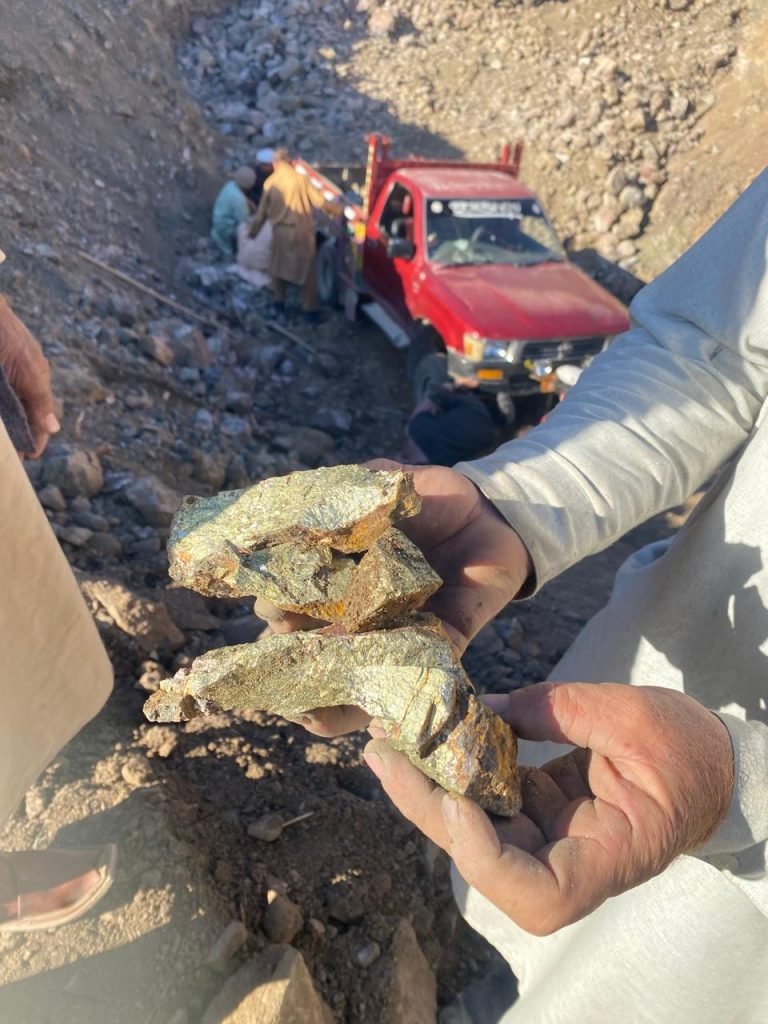
Despite the challenges facing the global copper supply chain, several opportunities could drive growth and innovation in the industry. As the world moves toward electrification and sustainability, copper’s critical role in renewable energy, electric vehicles, recycling, and mining technology presents a promising future. The following key opportunities highlight why copper demand will continue to rise and how the industry is adapting to meet these needs.
1. Growth in Renewable Energy and Electrification
The transition to clean energy is one of the biggest drivers of copper demand. Copper’s high electrical conductivity and corrosion resistance make it an essential component in renewable energy systems, energy storage, and power grids.
Key Areas Driving Copper Demand:
- Solar Panels and Wind Turbines:
- Copper is used in the wiring, transformers, and grounding systems of solar farms and wind turbines.
- The average solar panel system contains about 5.5 kilograms of copper, while a single wind turbine requires up to 4.7 metric tons (source: International Copper Association).
- Battery Storage Systems:
- Energy storage is crucial for stabilizing renewable power supply.
- Lithium-ion batteries, used for energy storage and electric vehicles (EVs), require copper in their electrical connections and cooling systems.
- Electric Grids and Smart Infrastructure:
- The expansion of electric grids and smart city infrastructure relies heavily on copper wiring and transformers.
- The International Energy Agency (IEA) estimates that renewable energy will account for nearly 70 percent of new copper demand by 2030, as countries scale up investments in clean energy solutions.
As governments worldwide set ambitious net-zero targets, copper’s role in enabling renewable energy transmission and storage will continue to expand.
2. Electric Vehicle (EV) Boom: A Major Copper Consumer
The global shift toward electric mobility is expected to dramatically increase copper demand in 2025 and beyond. Electric vehicles (EVs) require 2–4 times more copper than traditional gasoline-powered vehicles due to their:
- Copper-intensive batteries
- Electric motors and inverters
- Charging infrastructure
Key Trends in the EV Industry Affecting Copper Demand:
- EV Production Growth:
- Major automakers, including Tesla, Ford, and Volkswagen, have committed multi-billion-dollar investments to expand EV production and charging networks (source: IEA).
- Global EV sales are expected to reach over 40 million units annually by 2030, further increasing copper demand.
- Charging Infrastructure Expansion:
- Copper wiring is essential for charging stations, which require high-performance conductors to ensure efficient power delivery.
- The IEA estimates that millions of new charging points will be installed globally, driving copper consumption in electrical grids and transformers.
- Battery and E-Mobility Innovation:
- Advances in solid-state batteries and ultra-fast charging technologies will further increase copper demand for energy storage applications.
As governments roll out EV subsidies, stricter emissions regulations, and infrastructure funding, the EV industry will remain a significant catalyst for copper consumption.
3. Recycling and Circular Economy: A Sustainable Copper Future
To reduce reliance on newly mined copper, the industry is investing heavily in copper recycling. Recycled copper, also known as secondary copper, retains the same properties as newly mined copper, making it a viable and sustainable alternative.
Key Benefits of Copper Recycling:
- Lower Environmental Impact:
- Recycling copper requires 85–90 percent less energy compared to primary copper extraction (source: Copper Development Association).
- This significantly reduces carbon emissions and lowers dependence on energy-intensive mining operations.
- Cost Savings and Economic Stability:
- Recycling copper is cheaper than mining because it avoids the high costs of ore extraction, transportation, and refining.
- The process also reduces waste and promotes circular economies, improving resource efficiency.
- Stable and Secure Supply Chain:
- With rising geopolitical risks and mining restrictions, copper recycling ensures a more resilient supply chain.
- Currently, recycled copper accounts for over 30 percent of global copper supply, and this figure is expected to grow as demand increases.
To support the circular economy, governments and manufacturers are implementing copper recovery programs, stricter e-waste recycling laws, and incentives for sustainable production.
4. Technological Advancements in Mining: A Smarter, Greener Approach
Mining companies are embracing new technologies to make copper extraction more efficient, cost-effective, and environmentally friendly. Innovations in automation, artificial intelligence (AI), and low-carbon processing techniques are transforming the industry.
Key Technological Innovations:
- Autonomous Drilling and Haulage Systems:
- Companies like BHP and Rio Tinto are using self-driving trucks and automated drilling rigs to improve efficiency and reduce operational costs.
- These technologies enhance safety, minimize human labor costs, and optimize resource extraction.
- AI-Powered Resource Estimation and Exploration:
- AI and machine learning are being used to identify new copper deposits more accurately and efficiently.
- This reduces exploration time and helps mining companies focus on high-potential reserves while minimizing environmental disruption.
- Water-Efficient and Low-Carbon Smelting Techniques:
- Traditional copper smelting is energy-intensive and generates significant CO₂ emissions.
- Innovations in hydrometallurgical processing and bioleaching (using bacteria to extract copper from ore) are reducing energy consumption and environmental impact.
- Electrification of Mining Operations:
- To cut emissions, mining companies are transitioning to electric-powered excavation equipment, conveyor belts, and processing plants.
- Many operations are integrating renewable energy sources, such as solar and wind, to power mining sites.
These technological advancements will help copper mining become more sustainable, cost-efficient, and resilient to supply chain disruptions.
Future Outlook for the Copper Supply Chain
As we move further into 2025, the global copper industry faces a period of both uncertainty and transformation. Supply chain disruptions, geopolitical tensions, and environmental constraints continue to challenge the sector, but the growing demand from renewable energy, electric vehicles (EVs), and infrastructure development presents a once-in-a-generation opportunity.
Industry leaders, policymakers, and investors must take proactive steps to ensure a stable, resilient, and sustainable copper supply chain. The future of copper will depend on new mining investments, recycling efforts, technological advancements, and improved supply chain strategies.
Key Strategies for a Stable and Sustainable Copper Supply
1. Investing in New Mining Projects and Recycling Initiatives
One of the biggest risks to future copper supply is the lack of new mining projects. Despite rising demand, many mining companies have been slow to invest in new exploration and production, largely due to regulatory hurdles, environmental concerns, and long project timelines.
Challenges in New Copper Mine Development:
- Long lead times: The average time to bring a new copper mine into production is 15–20 years. This means that without immediate action, the market could face severe supply shortages in the 2030s.
- Regulatory roadblocks: Stricter environmental regulations and land-use policies are making it harder to develop new mining sites.
- Higher costs and lower ore grades: Many existing copper reserves are yielding lower-quality ore, requiring more intensive processing and higher production costs.
The Role of Copper Recycling in Supply Security
To offset these challenges, the industry must prioritize copper recycling to supplement mined supply. Currently, recycled copper accounts for about 30 percent of global supply, but this figure is expected to rise in the coming years.
Benefits of Expanding Copper Recycling Initiatives:
- Reduces reliance on newly mined copper, helping stabilize the supply chain.
- Lowers energy consumption and carbon footprint, as recycling uses up to 90 percent less energy than primary copper production.
- Enhances economic security by creating domestic sources of copper, reducing dependence on foreign mining operations.
Countries with strong e-waste recycling programs and circular economy initiatives will have a competitive advantage in securing copper supplies for the future.
2. Strengthening Global Supply Chain Resilience
The copper supply chain is heavily concentrated in a few key regions, making it vulnerable to geopolitical instability, labor strikes, and logistical disruptions. To improve long-term supply security, industry leaders must focus on diversifying copper sources and improving infrastructure.
Diversifying Copper Supply Sources
- Encouraging mining in new regions: While Chile, Peru, and China dominate production today, other regions—such as Africa, Australia, and Canada—are emerging as alternative sources.
- Increasing domestic refining capabilities: Many countries, particularly in North America and Europe, are investing in local refining and smelting infrastructure to reduce dependence on China, which currently controls over 40 percent of global copper refining.
Improving Logistics and Transportation Infrastructure
- Expanding port capacity and shipping routes: Copper transportation has been heavily impacted by shipping bottlenecks and disruptions (e.g., in the Panama Canal and Red Sea). Investment in more efficient transport routes and alternative shipping hubs will help reduce delays.
- Developing more localized supply chains: By shortening supply chains and reducing reliance on long-haul shipments, companies can mitigate risks related to trade restrictions and geopolitical conflicts.
Governments and private industries must work together to strengthen copper trade agreements, build stockpiles, and improve resilience to external shocks.
3. Embracing Technological Advancements for Efficient Extraction and Processing
Technology will play a critical role in shaping the future of copper mining, processing, and recycling. Innovations in automation, artificial intelligence (AI), and green extraction techniques will be key to improving efficiency and reducing environmental impact.
Technologies Transforming Copper Extraction and Processing:
- Autonomous Mining Equipment:
- Mining giants like BHP, Rio Tinto, and Freeport-McMoRan are investing in self-driving haul trucks, automated drilling systems, and AI-powered mine planning to boost efficiency and reduce labor costs.
- AI-Driven Resource Exploration:
- AI and machine learning are being used to identify new copper deposits with greater accuracy and efficiency, reducing the time and cost of exploration.
- Water-Efficient Extraction Methods:
- Traditional copper mining requires huge amounts of water, leading to conflicts in drought-prone regions.
- Companies are developing water recycling systems and investing in desalination plants to reduce freshwater usage.
- Low-Carbon Smelting Techniques:
- Innovations such as hydrogen-based smelting and bioleaching (using bacteria to extract copper from ore) are helping reduce the industry’s carbon footprint.
Embracing these technologies will not only make copper extraction more sustainable and cost-effective but also ensure greater long-term supply security
Long-Term Copper Outlook: A Critical Metal for the Green Economy
Despite short-term challenges, the long-term outlook for copper remains strong, as it is a cornerstone of the green energy transition. Governments worldwide are committed to net-zero emissions targets, and industries are shifting towards electrification, renewable energy, and sustainable infrastructure—all of which require large amounts of copper.
Key Factors Driving Copper Demand Beyond 2025:
- Renewable energy growth:
- Solar, wind, and energy storage expansion will drive copper consumption in grid networks, transformers, and power cables.
- The IEA forecasts that copper demand from renewable energy will nearly double by 2040.
- EV industry expansion:
- The EV market is expected to triple in size by 2030, with increasing copper usage in batteries, motors, and charging infrastructure.
- Infrastructure and urbanization:
- Global infrastructure projects, especially in emerging markets, will sustain long-term demand for copper wiring, plumbing, and construction materials.
Potential Risks to Monitor:
- Regulatory changes and environmental restrictions: Stricter emissions policies and land-use regulations could slow down new mining projects.
- Geopolitical conflicts: Supply chain disruptions due to trade wars or political instability could create price volatility.
- Economic downturns: Recessionary risks or market slowdowns could impact short-term copper demand.
Overall, while the copper industry faces hurdles, the long-term fundamentals point toward steady growth and high demand. Companies that invest in sustainability, technological innovation, and supply chain resilience today will be best positioned to thrive in the future copper market.
Final Thoughts: The Future of the Global Copper Supply Chain
The global copper supply chain in 2025 is at a crossroads, shaped by both significant challenges and major growth opportunities. Copper remains one of the most critical raw materials for the modern world, particularly as industries shift toward renewable energy, electric vehicles (EVs), and smart infrastructure. However, supply constraints, geopolitical tensions, and environmental regulations present hurdles that industry players must navigate carefully.
While short-term market volatility and supply disruptions create uncertainty, long-term demand fundamentals remain strong. The global transition to clean energy and electrification will keep copper in high demand, and the industry must adapt by investing in new mining projects, improving recycling efforts, and adopting new technologiesto enhance efficiency and sustainability.
Key Factors That Will Shape the Copper Market in 2025
- Renewable Energy Expansion
- With governments worldwide investing in solar, wind, and grid modernization, copper’s role in power transmission and energy storage will continue to grow.
- The IEA estimates that renewable energy will drive nearly 70% of new copper demand by 2030, making this one of the biggest forces shaping the industry.
- Electric Vehicle (EV) Industry Growth
- As major automakers scale up EV production, copper demand for batteries, wiring, and charging stations will surge.
- Governments’ commitments to phasing out internal combustion engine (ICE) vehicles and expanding EV charging infrastructure will further boost demand.
- Geopolitical and Trade Uncertainty
- Resource nationalism, higher mining taxes, export restrictions, and trade disputes—especially between the US, China, and South American producers—could disrupt global copper supplies.
- Countries and companies will likely diversify copper sourcing and refine more domestically to reduce dependency on unstable regions.
- Copper Recycling and Circular Economy Growth
- As mining struggles to keep pace with demand, recycling will play a more significant role in copper supply stability.
- Companies investing in closed-loop recycling systems and urban mining will gain a competitive advantage in a constrained market.
- Technological Innovation in Mining and Processing
- AI-driven exploration, autonomous mining equipment, low-carbon smelting, and water-efficient extraction will help improve efficiency and reduce environmental impact.
- The industry’s shift toward greener production will be crucial for securing investment and meeting stricter ESG (Environmental, Social, and Governance) standards.
Turning Challenges into Growth Opportunities
Although the copper industry faces considerable headwinds, it is also presented with an opportunity to reinvent itself. By embracing:
- Sustainability initiatives such as low-carbon mining and responsible sourcing
- Technological advancements to increase extraction efficiency and reduce waste
- Investment in secondary copper production (recycling) to stabilize supply
- More resilient global trade strategies to navigate geopolitical instability
…the industry can overcome today’s risks and build a more stable, efficient, and sustainable copper supply chain for the future.
The question remains: What will have the biggest impact on the copper market in 2025?
Will it be the rapid expansion of renewable energy and EVs? Will geopolitical risks and trade disputes cause price shocks? Or will technological and recycling advancements reshape the industry?
