
Copper has long been a foundational metal in modern industry, but in 2025, it has become even more essential than ever before. As the world undergoes a massive energy transition, copper is at the heart of electric vehicles (EVs), renewable energy infrastructure, and power grid expansions. The soaring demand for this vital material has triggered record-breaking prices, sparking concerns over long-term supply security.
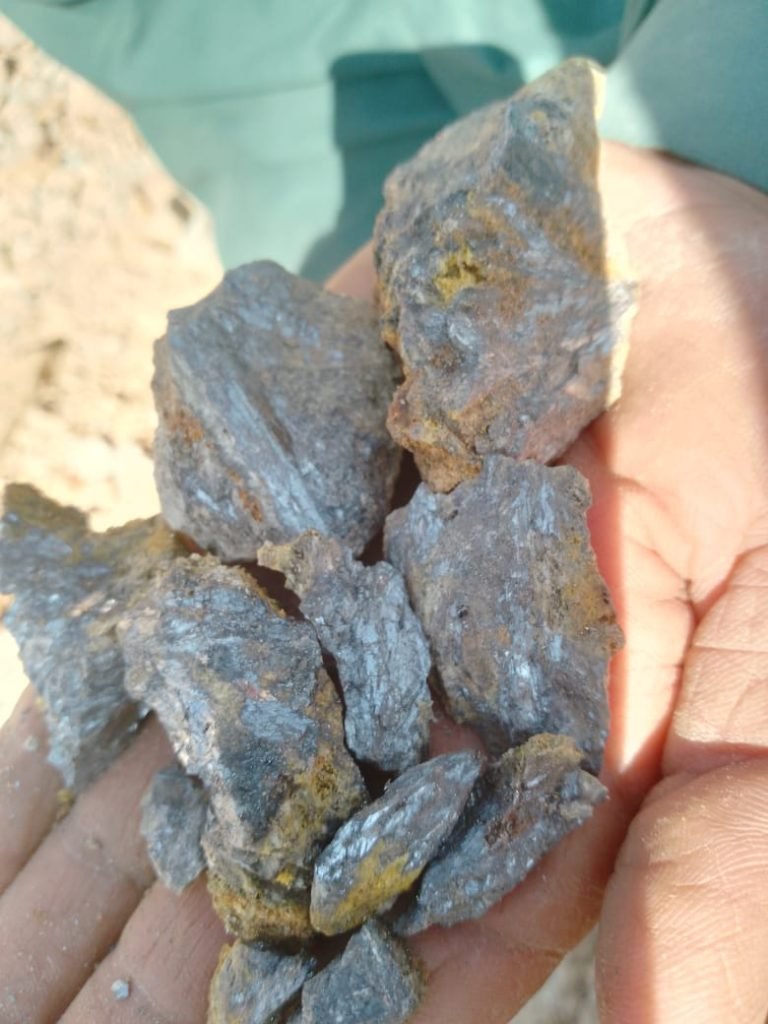
Why Is Copper So Important?
Copper is one of the most conductive and durable metals, making it indispensable in industries that require efficient energy transfer and connectivity. It is widely used in:
- Electric Vehicles (EVs): Copper is essential for EV batteries, wiring, and charging stations, with each EV requiring 2–4 times more copper than a gasoline-powered vehicle.
- Renewable Energy: Solar panels, wind turbines, and battery storage systems rely on copper for power transmission, grounding, and energy conversion.
- Power Grids: The global push for electrification and smart grids requires significant copper investment in transformers, cables, and grid infrastructure.
- Electronics & Telecommunications: Everything from smartphones to data centers depends on copper for electrical connectivity.
Copper Prices Reach Record Highs in 2025
As the demand for copper grows, supply has struggled to keep up, causing prices to surge. In 2025, copper prices have exceeded $10,000 per metric ton, marking one of the highest levels in history (source: Bloomberg). Analysts from Goldman Sachs have dubbed copper the “new oil” due to its central role in the clean energy revolution.
However, this price surge is not just due to rising demand—several factors have contributed to supply constraints:
- Mining Challenges: Declining ore quality, labor strikes, and environmental regulations are slowing down copper production.
- Geopolitical Risks: Trade disputes, export restrictions, and political instability in major copper-producing nations (such as Chile and Peru) are affecting supply chains.
- Underinvestment in New Mines: The development of new copper mines has lagged behind demand, with projects taking 15–20 years to become operational.
What This Article Covers
In this article, we will explore the key forces driving copper prices higher, including:
- The rising demand for copper from electric vehicles and renewable energy projects.
- How mining difficulties, supply shortages, and geopolitical risks are affecting global copper production.
- The future outlook for copper prices—will they continue to surge, or will new supply sources stabilize the market?
As the world accelerates toward a low-carbon economy, copper’s role will only become more critical. However, without strategic investments in mining, recycling, and alternative solutions, the global supply chain could face serious challenges.
Now, let’s dive deeper into the key factors driving this copper price surge.
The Rising Demand for Copper: Why Is It So Essential?
Copper’s unmatched electrical conductivity, corrosion resistance, and recyclability make it an irreplaceable material in modern infrastructure, transportation, and energy systems. Its role in energy transmission, electrification, and industrial production ensures that demand will continue to rise sharply in the coming decades.
According to the International Energy Agency (IEA), global copper demand is expected to double by 2035, driven primarily by two transformative forces:
- The Electric Vehicle (EV) Boom
- The Growth of Renewable Energy Technologies
As nations around the world push for decarbonization and net-zero goals, copper’s role in sustainable energy and transportation is becoming more critical than ever. Let’s take a closer look at how the EV industry is driving copper demand to record highs.
How EVs Are Driving Copper Prices Up
The rapid transition from internal combustion engine (ICE) vehicles to electric vehicles (EVs) is putting enormous pressure on the copper supply chain. EVs require significantly more copper than traditional gasoline-powered vehicles due to their reliance on battery technology, electric motors, and charging infrastructure.
1. Copper’s Critical Role in Electric Vehicles (EVs)
Copper is used extensively in three major components of EVs:
EV Batteries
- Copper is a key material in battery wiring, anodes, and busbars, which help transfer electricity efficiently within the vehicle.
- Lithium-ion batteries (used in most EVs) require high-purity copper foil for electrical conductivity.
Electric Motors & Wiring
- Copper is the primary conductor in electric motor windings, connectors, and inverters, which convert battery power into motion.
- The stator windings of an EV motor contain a significant amount of copper, as it enhances efficiency and reduces heat loss.
Charging Infrastructure & Power Grids
- Copper is a vital material in EV charging stations, used in cables, transformers, and high-power connectors.
- As fast-charging technology advances, copper demand is increasing for high-voltage DC chargers, which require thicker copper conductors.
- Grid expansion and upgrades to support mass EV adoption require additional copper wiring, as most existing infrastructure was not designed to handle widespread electrification.
According to BloombergNEF, EVs and their charging networks will account for nearly 55% of global copper demand growth by 2040.
2. Explosive Growth in EV Production
Governments worldwide are phasing out gasoline-powered cars in favor of EVs, leading to a surge in copper consumption. Some key policies accelerating this transition include:
- European Union: Plans to ban the sale of new petrol and diesel cars by 2035 as part of its Green Deal.
- United States: Aims for EVs to make up 50% of all new car sales by 2030, backed by incentives from the Inflation Reduction Act (IRA).
- China: The world’s largest EV market is rapidly expanding production, with EVs accounting for 40% of all new cars sold in 2025.
- India: Plans to electrify 30% of all passenger vehicles by 2030, requiring major infrastructure investments.
The Copper Footprint of an EV vs. Gasoline Car
- A traditional gasoline-powered vehicle contains about 23 kg (50 lbs) of copper.
- A fully electric vehicle (EV) contains around 83 kg (183 lbs) of copper—nearly four times as much.
This massive increase in copper usage per vehicle is driving unprecedented demand. According to the International Copper Association, the global EV market will consume over 5 million metric tons of copper annually by 2030, making it one of the largest single drivers of copper demand.
However, the supply chain is struggling to keep up.
3. The Strain on Copper Supply Chains
The rapid expansion of the EV market is outpacing the ability of miners to extract, refine, and deliver copper. This supply-demand imbalance is one of the primary reasons copper prices are surging in 2025.
Key Challenges Straining Copper Supply:
- Mining Delays and Underinvestment
- It takes an average of 15–20 years to develop a new copper mine, from exploration to full-scale production.
- Many mining projects have been delayed due to environmental concerns, regulatory hurdles, and land disputes.
- Investment in new mines has not kept pace with demand growth, creating a widening supply gap.
- Declining Ore Grades
- Major copper-producing countries, such as Chile and Peru, are experiencing lower ore grades, meaning that miners must extract and process more rock to obtain the same amount of copper.
- This raises production costs, energy consumption, and environmental impact, making mining operations less efficient.
- Geopolitical Risks and Trade Disruptions
- Chile and Peru account for over 40% of global copper production, but both countries face political instability, labor strikes, and increased mining taxes.
- Indonesia and the Democratic Republic of Congo (DRC)—two emerging copper suppliers—have implemented export bans and new regulations, disrupting global supply chains.
- US-China trade tensions could affect copper refining and exports, as China dominates copper refining capacity worldwide.
Projected Copper Supply Shortage
According to S&P Global, by 2030, the EV sector alone will require 6.4 million metric tons of copper annually, accounting for 20% of total global copper demand. However, without significant investments in new mining and refining capacity, copper supply is expected to fall short by nearly 5 million metric tons, leading to:
- Continued price increases as copper scarcity worsens.
- Delays in EV production if manufacturers struggle to secure enough copper.
- Supply chain bottlenecks affecting grid expansion and clean energy projects.
With EV adoption accelerating at an unprecedented rate, copper shortages could become a major bottleneck in the global push toward electrification.
The Role of Green Energy in Copper Demand
As the world transitions away from fossil fuels, renewable energy technologies are driving unprecedented demand for copper. Solar panels, wind turbines, and battery storage systems require significantly more copper than traditional energy sources, making the metal an essential component of the clean energy revolution.
According to the International Energy Agency (IEA), copper demand from renewable energy projects alone is expected to increase by nearly 250% by 2040. The electrification of energy systems—particularly through solar, wind, and grid modernization—is further tightening the copper supply chain and contributing to record-high prices in 2025.
1. Copper’s Use in Renewable Energy Technologies
Unlike fossil fuel-based power plants, which primarily rely on steel and concrete, renewable energy systems require extensive copper wiring and electrical components. Copper’s superior conductivity, durability, and resistance to corrosion make it the ideal material for efficiently transmitting electricity from solar farms, wind farms, and hydropower plants to the grid.
Solar Panels: Copper in Photovoltaic (PV) Systems
Solar power generation has surged in the last decade, and the expansion is only accelerating. Copper plays a crucial role in solar photovoltaic (PV) systems, including:
- PV Cell Wiring: Copper is used in solar panel busbars and connectors, ensuring efficient electrical conductivity.
- Inverters: Solar inverters, which convert DC power to AC power, contain high amounts of copper for optimal performance.
- Solar Power Stations: Large-scale solar farms require extensive copper cabling to transmit electricity to the grid.
The IEA predicts that solar energy will account for nearly 40% of global copper demand growth in the energy sector by 2040.
Wind Turbines: A Copper-Intensive Clean Energy Source
Wind power is one of the most copper-intensive forms of renewable energy. The amount of copper required varies depending on the size and type of the turbine:
- Onshore Wind Turbines: Require 2–4 metric tons of copper per turbine.
- Offshore Wind Turbines: Require up to 4.7 metric tons per turbine due to their larger size and long-distance transmission needs (source: IEA).
Copper is used in:
- Generator Coils: Copper windings inside the generator convert kinetic energy into electricity.
- Power Cables: Offshore wind farms require high-voltage subsea cables, which are almost exclusively made of copper.
- Transformers & Electrical Infrastructure: Copper is essential for transmitting power from wind farms to the grid.
Electric Grid Expansion: The Backbone of Renewable Energy
One of the biggest challenges in scaling renewable energy is the need to modernize and expand electrical grids. Unlike fossil fuel power plants, which produce electricity near urban centers, renewable energy projects are often located in remote areas and require new transmission lines.
Copper is crucial in:
- Grid Transmission Lines: New high-voltage power lines require thousands of miles of copper wiring.
- Transformers & Substations: Copper is used extensively in electrical transformers to step up and step down voltages for efficient transmission.
- Battery Storage Systems: To balance the intermittent nature of wind and solar power, large-scale grid battery storage uses copper in its wiring and energy conversion systems.
The International Renewable Energy Agency (IRENA) estimates that global investment in electrical grid infrastructure will exceed $14 trillion by 2050, further fueling copper demand.
2. Global Investments in Clean Energy
Governments and corporations worldwide are investing trillions of dollars in clean energy expansion. These large-scale initiatives require massive amounts of copper, making the metal one of the most valuable commodities in the transition to a low-carbon economy.
The U.S. Inflation Reduction Act (IRA) – $370 Billion Investment
The Inflation Reduction Act (IRA), passed in 2022, is the largest clean energy investment in U.S. history, with $370 billion allocated to:
- Expanding solar and wind power projects across the country.
- Subsidizing EV adoption and charging station development.
- Upgrading the U.S. electrical grid to handle increased renewable energy production.
Copper demand in the U.S. has risen sharply as a result, with analysts predicting that the IRA alone will require an additional 1.2 million metric tons of copper by 2030 (source: S&P Global).
China’s Renewable Energy Expansion – 50% of Global Capacity
China is the largest producer and consumer of renewable energy and is rapidly increasing its investment in:
- Solar power production: China currently produces more than 40% of the world’s solar panels and is expanding solar farms at an unprecedented rate.
- Wind power expansion: China is installing half of the world’s new wind turbines by 2030, according to BloombergNEF.
- Electric grid modernization: The country is rolling out ultra-high voltage (UHV) power lines, which require significantly more copper than traditional grid systems.
China’s dominance in renewable energy and EV production makes it one of the largest drivers of copper demand, with some estimates projecting that China alone will consume over 15 million metric tons of copper annually by 2040(source: IEA).
Europe’s Green Deal – 55% Emissions Reduction by 2030
The European Union’s Green Deal is one of the most ambitious climate policies in the world, aiming to cut carbon emissions by 55% by 2030. Key elements include:
- Massive expansion of offshore wind farms in the North Sea.
- Widespread solar panel installation across European rooftops.
- Grid modernization and electrification of transportation, requiring extensive copper use.
To meet these targets, Europe will need to double its annual copper consumption, making secure access to copper a top priority for energy planners.
Supply Constraints and Market Challenges: Why Copper Supply Can’t Keep Up with Demand
While global demand for copper is surging, the supply side is struggling to keep pace. A combination of declining ore grades, slow mine development, and geopolitical risks is making it increasingly difficult to extract and process enough copper to meet the needs of the electric vehicle (EV) boom, renewable energy expansion, and infrastructure upgrades.
These supply constraints are a major factor behind rising copper prices, with analysts warning that a significant supply gap could emerge by 2030 if new sources are not developed. Let’s take a closer look at the biggest challenges affecting the copper supply chain.
1. Declining Copper Ore Grades: The Hidden Cost of Aging Mines
What’s Happening?
One of the most pressing challenges facing the copper industry is declining ore quality. Many of the world’s largest copper mines—especially in Chile and Peru, which together account for over 40% of global production—are now extracting lower-grade ores than in previous decades.
- In the 1990s, copper ore grades averaged around 1.6% per ton in top-producing mines.
- Today, ore grades in Chile and Peru have declined to 0.5–0.7% per ton, meaning that miners must process three times as much rock to obtain the same amount of copper.
Why Is This a Problem?
Lower ore grades mean:
- Higher production costs: More energy, water, and labor are required to extract and refine the same amount of copper.
- Environmental concerns: Increased waste generation and land disruption, leading to tighter regulations.
- Slower supply growth: Older mines must work harder to produce the same volume, limiting their ability to ramp up output.
Example: Chile’s Copper Industry Under Pressure
Chile, the world’s largest copper producer, is seeing some of its biggest mines struggle with falling ore quality. The Escondida mine, operated by BHP, is the largest copper mine in the world, but its production has been steadily declining due to depleting ore reserves.
In response, mining companies are investing in:
- New technologies like AI-driven mineral exploration to locate higher-grade ore deposits.
- Water-efficient processing techniques to counteract the rising water demands of low-grade mining.
However, these solutions take time and money, meaning copper shortages will likely persist in the near term.
2. Mining Delays and Underinvestment: Why New Copper Mines Take Decades to Develop
The Challenge of Opening New Copper Mines
Even as demand skyrockets, new copper mines are not being developed fast enough. Mining is a long and expensiveprocess, with new projects typically taking 15–20 years to go from exploration to full-scale production (source: US Geological Survey).
Key Reasons for Mining Delays:
- Regulatory Hurdles:
- Governments require extensive environmental impact assessments before approving new mines.
- Community opposition and legal challenges often delay permits.
- Environmental Concerns:
- Copper mining is water-intensive, leading to restrictions in drought-prone areas like Chile’s Atacama Desert.
- Stricter carbon emissions regulations are pushing miners to adopt low-carbon extraction methods, which can slow production.
- Political Instability:
- Many major copper-producing regions face political uncertainty and labor strikes, disrupting supply.
- Countries such as Peru and the Democratic Republic of Congo (DRC) have faced mining protests and operational shutdowns.
Investment in Copper Mining Is Lagging Behind Demand
Historically, when demand rises, mining companies invest in new projects. However, investment in new copper mines has not kept pace with demand growth in recent years.
- Many companies have been hesitant to invest due to past price volatility.
- Capital-intensive projects require billions of dollars in upfront investment, and many firms have focused on maximizing output from existing mines rather than developing new ones.
What This Means for Future Supply
According to S&P Global, if new mining projects are not accelerated, the copper market could face a 5-million-metric-ton shortfall by 2030—a supply gap that will keep prices elevated for years to come.
3. Geopolitical Risks and Trade Disruptions: A Fragile Global Copper Supply Chain
Copper is a globally traded commodity, but its production and refining are highly concentrated. This leaves the market vulnerable to geopolitical risks, trade disputes, and government intervention.
Resource Nationalism: Governments Tightening Control Over Copper Supplies
In many copper-rich countries, governments are seeking to increase their share of mining profits by:
- Raising taxes and royalties on copper producers.
- Imposing export restrictions to force companies to refine copper domestically.
Key Countries Implementing Mining Restrictions:
- Chile and Peru (40% of global copper supply): Both governments have increased mining taxes and royalties, raising production costs.
- Indonesia: Banned raw copper exports in 2023, forcing companies like Freeport-McMoRan to build smelters in the country.
- Democratic Republic of Congo (DRC): Increased royalties on copper and cobalt, adding financial pressure on miners.
US-China Trade Tensions: A Growing Risk to Copper Supply Chains
China is the world’s largest consumer and refiner of copper, processing over 40% of global copper supply. However, trade tensions between the US and China could disrupt supply chains in several ways:
- Tariffs and sanctions could make it harder for the US and Europe to secure refined copper from China.
- China’s dominance in refining gives it leverage in trade negotiations, potentially limiting exports to certain countries.
- Decoupling from China’s supply chain could force Western countries to invest in their own refining capacity, but this will take years to develop.
Logistics and Supply Chain Bottlenecks
Beyond political risks, physical supply chain disruptions are also impacting copper availability.
- Shipping bottlenecks: The Red Sea and Panama Canal disruptions in 2024 have slowed copper exports, increasing transportation costs.
- Port congestion: Major ports in China, South America, and the US have seen increased delays in copper shipments.
- Rail and trucking shortages: Transportation bottlenecks in North America and Europe are affecting copper delivery times.
Final Thoughts: The Future of the Copper Market
The copper market is at a critical turning point, with demand reaching unprecedented levels due to the global push for electrification and renewable energy. As industries and governments accelerate investments in electric vehicles (EVs), wind and solar power, and electrical grid modernization, copper has become one of the most valuable and sought-after commodities.
However, supply chain bottlenecks, geopolitical instability, and declining ore grades continue to create challenges. Despite efforts to ramp up mining and expand copper recycling, production is struggling to keep up with surging demand, keeping prices at historic highs.
Key Takeaways:
- EVs and renewable energy projects are driving record copper demand.
- Each EV requires up to four times more copper than a gasoline-powered car.
- Wind and solar energy infrastructure rely heavily on copper wiring, inverters, and transmission networks.
- Supply shortages, declining ore quality, and mining delays are keeping prices high.
- The world’s largest copper mines, particularly in Chile and Peru, are facing lower ore grades and production constraints.
- New copper mines take 15–20 years to develop, meaning short-term supply increases are unlikely.
- Long-term investments in new mines, recycling, and alternative materials could shape the future of the copper market.
- Governments and corporations are investing in copper recycling to reduce dependence on newly mined copper.
- Researchers are exploring alternative materials like aluminum for electrical applications to ease supply pressure.
- More efficient mining and refining technologies are being developed to maximize production while minimizing environmental impact.
What’s Next for Copper?
With demand expected to double by 2035, many experts believe copper prices will remain elevated for the foreseeable future. Some projections suggest that prices could exceed $12,000 per metric ton if supply constraints persist. However, if major new mining projects, technological advancements, and expanded recycling efforts are successful, the market may eventually stabilize.
What Do You Think?
Will copper prices continue their upward trajectory, or will supply eventually catch up? How will the market adapt to the growing challenges of mining constraints, environmental regulations, and geopolitical risks?
If you’re looking to stay ahead in the metal ore and mining industry, understanding key processes and market trends is essential. Learn about the 5 Steps in Lead and Zinc Ores Extraction, explore the Key Roles of Fluorspar & Its Future Demand, and discover Global Supply Chain Challenges in Metal Ores. Gain insights into Sustainable Mining Practices & Industry Evolution and how Emerging Technologies Are Transforming Mining. Stay informed with expert insights from Bare Syndicate.
