
Table of Contents
- Introduction to Big Data in Mining
- Predictive Maintenance: Reducing Downtime and Equipment Failures
- Real-Time Data Analytics for Operational Efficiency
- Enhancing Safety and Risk Management Through Big Data
- Improving Sustainability and Environmental Impact with Data
- Big Data in Mineral Exploration: Optimizing Resource Extraction
- Challenges and Considerations in Implementing Big Data in Mining
- The Future of Big Data in Mining: Trends and Innovations
- Conclusion
- FAQs
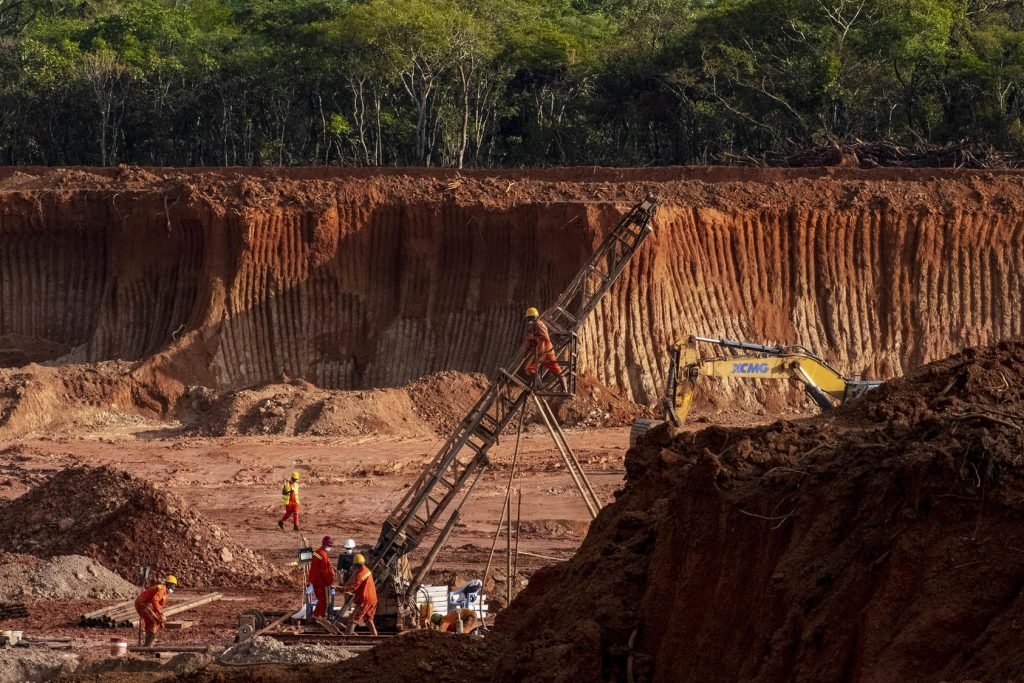
1. Introduction to Big Data in Mining
Big data is reshaping industries across the globe, and the mining sector is no exception. As mining companies face increasing pressure to improve efficiency, safety, and sustainability, the adoption of big data analytics has become indispensable for remaining competitive. In its simplest terms, big data refers to massive volumes of both structured and unstructured data that are collected, processed, and analyzed to extract meaningful insights. These data sets come from a wide array of sources in the mining industry, including sensors installed on equipment, environmental monitoring systems, satellite imagery, drones, and operational machines.
The mining industry generates an overwhelming amount of data every day—from the performance of heavy machinery to the concentration of minerals in the ore. While previously this data might have been underutilized or ignored due to technological limitations, advancements in data analytics and processing power now enable companies to harness this information for strategic decision-making. Big data analytics in mining transforms raw data into actionable insights that streamline operations, predict potential issues, and drive innovation across the value chain.
How Big Data is Used in Mining:
Big data has a wide array of applications in the mining industry, revolutionizing how companies approach exploration, extraction, and processing. Here’s how big data is reshaping the sector:
- Exploration Efficiency: Traditionally, mineral exploration relied on labor-intensive and time-consuming methods. Today, big data analytics combines geospatial data from satellites, historical mine data, and geological surveys to pinpoint areas with the highest likelihood of containing valuable minerals. This data-driven approach accelerates the exploration process, reduces risks, and cuts costs by allowing companies to focus on high-potential areas.
- Process Optimization: Once extraction is underway, mining companies collect massive amounts of data related to equipment performance, production output, and energy consumption. By leveraging machine learning (ML) algorithms, companies can analyze this data in real-time to optimize workflows, improve machinery performance, and reduce energy consumption.
- Safety Improvements: Safety has always been a major concern in mining, given the hazardous nature of the industry. With real-time data monitoring from equipment and sensors, big data analytics allows mining companies to predict potential equipment failures and identify unsafe working conditions. This proactive approach minimizes accidents, ensuring that workers operate in a safer environment.
- Environmental Sustainability: Mining operations can have a significant impact on the environment. By integrating big data analytics into their sustainability strategies, companies can track environmental data—such as water consumption, air quality, and emissions—in real-time. This enables them to quickly respond to environmental risks, optimize resource usage, and implement cleaner, more sustainable practices.
Technologies Powering Big Data in Mining
Several cutting-edge technologies enable mining companies to make the most of big data. These include:
- Artificial Intelligence (AI): AI systems can process large datasets quickly and make sense of complex relationships between different data points. In mining, AI is used to forecast machinery failures, optimize mineral extraction, and predict market demand for mined resources.
- Machine Learning (ML): ML models learn from historical and real-time data, allowing them to make accurate predictions and offer insights that help mining companies reduce operational costs, minimize risks, and optimize processes. For example, ML algorithms can analyze data from machinery sensors to predict potential breakdowns, enabling predictive maintenance.
- Predictive Analytics: Predictive analytics harnesses big data to forecast future outcomes. In mining, it can be used to predict the likelihood of equipment failures, market fluctuations, or even the environmental impact of operations, allowing companies to make proactive decisions that mitigate risks and improve efficiency.
Key Benefits of Big Data in Mining
- Increased Efficiency: By analyzing production data in real-time, companies can identify bottlenecks in their processes and make adjustments to maximize productivity. This helps mining companies achieve greater output with fewer resources, which is critical in today’s highly competitive market.
- Enhanced Safety: Real-time monitoring of environmental and equipment data allows mining companies to predict hazardous situations before they occur. Whether it’s equipment failure, gas leaks, or unstable rock formations, companies can take preventative actions to keep their workers safe.
- Reduced Environmental Impact: Big data analytics plays a crucial role in improving sustainability in mining. With real-time environmental monitoring, companies can reduce their carbon footprint, minimize water consumption, and ensure they comply with environmental regulations. By adopting data-driven sustainability strategies, mining operations can lower their environmental impact while maintaining profitability.
Big Data’s Role in Modernizing Mining Operations
Big data represents a monumental shift in how the mining industry operates. Modern mining operations are turning to data-driven technologies to streamline their workflows, cut operational costs, and achieve long-term sustainable growth. Rather than relying solely on human intuition and traditional methods, mining companies can now make data-backed decisions that drive innovation and ensure the best possible use of their resources.
In this article, we will explore five powerful ways big data is changing the mining industry—from predictive maintenance and process optimization to enhancing safety and sustainability.
2. Predictive Maintenance: Reducing Downtime and Equipment Failures
One of the most impactful applications of big data in mining is predictive maintenance. Mining equipment operates under extreme conditions, leading to constant wear and tear that can result in unplanned downtimes, costly repairs, and even dangerous accidents. Traditional maintenance strategies often rely on routine, scheduled check-ups or reactive measures after equipment fails—both of which can be inefficient and lead to prolonged downtimes.
By leveraging big data collected from equipment sensors, mining companies can shift from reactive to proactive maintenance. This predictive maintenance approach uses machine learning (ML) algorithms to forecast when machinery is likely to fail, allowing maintenance to occur before a breakdown happens. The ability to predict potential failures in advance helps companies avoid unplanned interruptions, reduce repair costs, and extend the life of their equipment.
How Predictive Maintenance Works:
- Data Collection: Sensors installed on mining machinery continuously collect data on various metrics, such as vibration, temperature, pressure, fuel usage, and performance levels.
- Data Transmission: This data is then transmitted in real-time to a central server, where it is stored and analyzed using AI and machine learning algorithms.
- Anomaly Detection: The system compares the real-time data against historical patterns to identify potential anomalies or patterns that indicate equipment degradation or failure. These insights enable operators to intervene before an actual failure occurs.
- Maintenance Scheduling: Based on these insights, companies can schedule maintenance during planned downtimes, minimizing operational disruptions and ensuring that parts and personnel are ready when needed.
Real-World Example:
One of the leaders in applying predictive maintenance is Anglo American, a global mining company that has successfully implemented big data and AI-powered predictive maintenance across its fleet of trucks, drills, and other machinery. Using predictive analytics, Anglo American has reduced unscheduled downtimes by up to 30%, significantly improving operational efficiency and reducing maintenance costs (Source: Forbes).
Predictive maintenance allows mining companies to achieve smoother operations by addressing potential issues before they escalate. It also enhances safety, as equipment failures in the mining industry can lead to hazardous conditions for workers.
To dive deeper into predictive maintenance solutions, check out IBM’s IoT and AI Solutions for Predictive Maintenance, which showcases how IoT and AI are applied to predictive maintenance across industries, including mining.
Key Benefits of Predictive Maintenance in Mining:
- Reduced Downtime: By addressing potential issues before they escalate, mining companies can minimize unscheduled downtime and keep operations running smoothly.
- Cost Savings: Proactive maintenance reduces the need for emergency repairs, which are often more expensive. Predictive maintenance also helps extend the lifespan of expensive mining equipment.
- Enhanced Safety: Equipment malfunctions can lead to accidents in mines. Predictive maintenance helps prevent these malfunctions, improving safety for workers in hazardous environments.
- Optimal Resource Allocation: Companies can allocate resources more effectively, ensuring that maintenance efforts are focused where they are most needed, based on data-driven insights.
Incorporating predictive maintenance powered by big data into mining operations not only boosts productivity but also enhances the reliability and longevity of essential mining equipment, making it a game-changer for the industry. IBM’s IoT and AI Solutions for Predictive Maintenance.
3. Real-Time Data Analytics for Operational Efficiency
In mining, where efficiency is paramount to maintaining profitability and sustainability, real-time data analytics has become an indispensable tool. Mining operations generate vast amounts of data from equipment, sensors, and environmental monitoring systems. By processing and analyzing this data in real-time, mining companies can make critical decisions that directly impact productivity, safety, and cost management. Real-time data analytics enables mining companies to not only respond to problems faster but also to anticipate and avoid them, leading to smoother, more efficient operations.
Key Benefits of Real-Time Data in Mining:
- Process Optimization: One of the most immediate benefits of real-time data analytics in mining is the ability to optimize operational processes on the fly. By continuously monitoring and analyzing the performance of mining equipment, blasting operations, and material transportation, mining companies can make data-driven adjustments to maximize output.
For example, blasting patterns can be modified in real-time based on data collected from seismic sensors to improve rock fragmentation, reducing the energy required for subsequent crushing and milling.Moreover, equipment speed and load settings can be optimized in real-time, ensuring that trucks, drills, and other machinery are working at optimal capacity without causing excessive wear or energy waste. This level of dynamic process control allows mining operations to run more smoothly, avoiding bottlenecks and reducing the time and energy consumed in each phase of production. - Cost Reduction: Real-time data analytics helps mining companies allocate resources more efficiently. By monitoring energy consumption, labor deployment, and equipment utilization in real-time, managers can identify areas where costs can be reduced. For example, machinery that is running inefficiently or consuming excessive fuel can be adjusted or replaced, and underperforming areas of the mine can be addressed immediately.Additionally, real-time data allows for better resource allocation by revealing underutilized equipment or human resources. This reduces both the need for overstaffing and the costs associated with idle machinery, contributing to significant savings in fuel, energy, and labor costs.
- Production Tracking: The ability to track production levels in real-time ensures that mining companies can meet their output targets while minimizing waste and avoiding production delays. By having instant visibility into the production process, companies can spot any production slowdowns, bottlenecks, or inefficiencies and address them before they become larger problems.For instance, if data from a conveyor belt indicates a slowdown in material transport, operators can investigate and resolve the issue immediately, ensuring continuous material flow and preventing costly delays. Furthermore, production tracking allows mining companies to monitor ore grades and ensure that high-value materials are being extracted and processed efficiently, maximizing profitability.
Real-World Example: BHP’s Use of Real-Time Data Analytics
A leading example of real-time data analytics in action comes from BHP, one of the world’s largest mining companies. At their Pilbara iron ore operations in Western Australia, BHP has implemented a sophisticated real-time data analytics system that integrates data from a wide range of sources, including sensors, drones, and satellites.
By using real-time data, BHP can monitor every aspect of their operations, from the extraction of ore to its transportation via rail to the ports. This comprehensive data feed allows the company to make informed decisions that optimize output, reduce downtime, and minimize operational costs. The system has enabled BHP to predict maintenance needs more accurately, fine-tune blasting techniques, and manage logistics with greater precision, leading to substantial improvements in both productivity and profitability.
Through the use of real-time data analytics, BHP has achieved:
- A significant reduction in equipment downtime due to more precise maintenance scheduling.
- Improved ore quality by optimizing the blending and processing of iron ore in real-time.
- Lower operational costs due to more efficient energy and fuel use across their mining operations.
BHP’s success in utilizing real-time data demonstrates the transformative potential of big data analytics in the mining industry.
Explore how real-time data analytics is transforming mining operations in BHP’s Digital Operations.
Why Real-Time Data Analytics is Critical for the Future of Mining:
Mining operations are becoming increasingly complex as companies explore deeper mines and work in more remote, challenging environments. The integration of real-time data analytics helps mining companies navigate these challenges by providing actionable insights that drive operational improvements.
As more advanced sensor technology becomes available, and as big data systems become more powerful, the potential for real-time data to revolutionize mining operations will only grow. Companies that invest in real-time data infrastructure will be better positioned to operate more efficiently, reduce their environmental impact, and remain competitive in an increasingly data-driven industry.
Mining companies that fail to leverage real-time data analytics will likely struggle to keep up with more agile, technologically advanced competitors. Whether through increased productivity, lower costs, or improved safety, real-time data analytics is becoming essential for mining companies looking to optimize their operations and succeed in the modern mining landscape.
Key Takeaways:
- Increased Efficiency: Real-time data helps optimize operations by fine-tuning production processes in real-time.
- Cost Reduction: Real-time insights allow mining companies to allocate resources more efficiently and cut unnecessary costs.
- Production Tracking: Instant visibility into production levels ensures that mining companies can meet their output targets while minimizing delays and waste.
Real-time data analytics is not just about improving operational efficiency—it’s about transforming how mining companies operate, making them more responsive, agile, and profitable in an increasingly competitive market.
4. Enhancing Safety and Risk Management Through Big Data
Safety in the mining industry has always been a critical concern, as workers are often exposed to hazardous conditions such as underground mining, operating heavy machinery, and working in extreme environments. Accidents in mines can have devastating consequences, including injuries, loss of life, and significant financial and reputational damage for companies. The implementation of big data technologies is now playing a transformative role in improving safety standards and enhancing risk management strategies across the mining sector.
Big data provides real-time insights into the operating environment, enabling mining companies to monitor safety conditions continuously and respond quickly to potential hazards. By using predictive analytics, big data systems can analyze large datasets from past accidents and current operations to predict dangerous situations before they escalate, ensuring a proactive approach to safety.
How Big Data Improves Safety in Mining:
Risk Assessment and Incident Response Planning Big data allows mining companies to develop more accurate risk assessments by combining current operational data with historical safety records. Companies can model potential scenarios, such as equipment malfunctions, mine collapses, or worker health emergencies, and use these models to create detailed response plans. The ability to predict risks with a high degree of accuracy allows for better preparedness, quicker response times, and a more coordinated approach to mitigating hazards.
During critical incidents, the ability to process and analyze big data in real-time ensures that decision-makers can access the latest information on worker locations, environmental hazards, and equipment status. This enables faster, more informed responses, ensuring the safety of workers and the minimization of operational disruption.
Real-World Example: At Barrick Gold Corporation, big data-driven risk assessments have helped improve incident response planning. Barrick uses predictive models to simulate various operational scenarios and assess potential safety risks. These models help the company develop rapid-response strategies that ensure workers are protected in the event of an accident, equipment failure, or natural disaster (Source: Barrick Gold’s Sustainability Report).
Wearable Technology for Worker Safety The integration of wearable technology into mining operations has been a game-changer in improving safety protocols. Devices such as smart helmets, safety vests, and wearable sensors can continuously track critical health and safety metrics of workers. These wearables monitor variables such as heart rate, body temperature, and fatigue levels. The data is transmitted in real-time to a central monitoring system, where supervisors can assess the health of their workforce and respond quickly to any abnormalities.
For example, if a worker’s body temperature or heart rate exceeds safe levels, an alert is automatically triggered to both the worker and the site supervisor. This enables immediate intervention, such as requesting the worker to take a break or deploying medical assistance.Additionally, wearable devices equipped with GPS can track worker locations in real-time, which is especially crucial in large or underground mining sites where employees may be spread over vast areas. In the case of an emergency, knowing the exact location of every worker ensures a swift and efficient evacuation or rescue process.
Real-World Example: Rio Tinto, one of the world’s largest mining companies, has implemented wearables and IoT-based systems at their mining operations. By equipping workers with sensors that monitor their health and surrounding environmental conditions, Rio Tinto has been able to reduce the number of safety incidents by 15% at its mining sites in Australia. Learn more about Rio Tinto’s commitment to safety through AI and big data.
Environmental Monitoring for Hazard Detection Mining environments, particularly underground operations, pose inherent risks such as exposure to hazardous gases, temperature extremes, and potential rockfall. Traditional safety protocols have relied on manual checks and mechanical alarms, but these systems often detect dangers only after they occur. Big data, however, allows for real-time environmental monitoring, providing continuous analysis of conditions to detect early signs of danger.By installing sensors throughout a mine, companies can monitor gas levels, seismic activity, air quality, and temperature.
The data from these sensors is fed into a centralized big data system, where it is analyzed alongside historical data. Any abnormal changes in these environmental factors—such as a sudden increase in methane levels or shifts in ground stability—trigger automatic alerts, enabling immediate action, such as evacuating workers from the area or shutting down operations temporarily to prevent accidents.
Example of Environmental Monitoring: In underground mining, where air quality is crucial, real-time gas detection can save lives. Sensors in the mine measure levels of dangerous gases like methane or carbon monoxide. If levels exceed a safe threshold, the system can trigger an automatic shutdown of ventilation systems or signal an evacuation. The ability to respond in real-time reduces the risk of gas explosions or suffocation incidents.
Accident Prevention Through Predictive Analytics One of the most innovative applications of big data in mining is the use of predictive analytics to anticipate and prevent accidents before they happen. By analyzing data from past incidents, including equipment malfunctions, worker injuries, and environmental hazards, predictive models can identify patterns that may suggest similar risks in current operations.For example, data on how workers interact with machinery—such as operating times, error rates, and performance anomalies—can highlight potential areas of concern.
If a piece of equipment frequently requires repairs or shows signs of stress under specific conditions, it may indicate that it is prone to malfunction, increasing the risk of accidents. With this information, companies can take preventive action, such as adjusting work processes, increasing inspections, or replacing aging equipment.Moreover, predictive models can help identify which times of day or specific shifts pose the highest safety risks. For instance, if data shows that the majority of accidents occur during night shifts or at the end of a long work cycle, companies can adjust scheduling practices, introduce additional breaks, or increase supervision during those critical periods.
Real-World Example: Anglo American, a global mining company, has been using predictive analytics to monitor the performance and maintenance schedules of their equipment. Through the analysis of machine data and historical incident reports, Anglo American reduced equipment failures and implemented more robust safety protocols, contributing to a 30% reduction in overall downtime (Source: Forbes).
5. Improving Sustainability and Environmental Impact with Data
Sustainability is an increasingly critical concern in the mining industry, as it has long been associated with significant environmental degradation, including deforestation, water pollution, and high carbon emissions. Mining companies are under increasing pressure from governments, environmental groups, and investors to minimize their ecological footprint and adopt more sustainable practices. This is where big data comes into play, providing the tools needed to monitor, optimize, and reduce environmental impact through data-driven strategies.
By leveraging real-time data analytics, mining companies can now monitor energy use, water consumption, and emissions, enabling them to make informed decisions that not only improve operational efficiency but also enhance environmental stewardship. Big data analytics provides companies with the ability to track their resource usage in real-time, identify inefficiencies, and implement solutions that lead to more eco-friendly operations. This transition to data-driven sustainability efforts marks a fundamental shift in how the mining industry manages its relationship with the environment.
Environmental Benefits of Big Data in Mining:
- Water and Energy Efficiency Water and energy are two of the most heavily consumed resources in mining operations. From extraction to mineral processing, vast amounts of water and energy are required, contributing significantly to the industry’s environmental footprint. Through the use of big data analytics, mining companies can monitor water and energy use in real-time and identify areas where resources are being wasted. By pinpointing inefficiencies, companies can make timely adjustments to their operations to optimize resource consumption.Real-Time Monitoring of Water Usage: Big data systems can track water usage across different stages of the mining process, providing insights into areas where water recycling can be improved or excessive consumption can be curtailed. For example, if a particular section of the processing plant is using more water than expected, the data will reveal the anomaly, allowing operators to investigate the cause and implement corrective actions.
Energy Consumption Optimization: Similar to water, energy usage can be monitored with the help of sensors and analytics tools. Mining companies can track the performance of their equipment, assess energy consumption patterns, and adjust machine settings to reduce unnecessary energy use. This not only saves money but also reduces the overall carbon footprint of mining activities.
Real-World Example: Rio Tinto, one of the world’s leading mining groups, uses big data and artificial intelligence (AI) to optimize its energy consumption. Through data analytics, Rio Tinto has been able to reduce energy usage across its operations, leading to significant cost savings and a reduced environmental footprint. - Waste Reduction Waste management has long been a challenge for mining companies. Waste materials, often referred to as tailings, are produced during the extraction and processing of minerals. These materials, which include chemicals, heavy metals, and excess rock, can have devastating effects on local ecosystems if not properly managed. Big data enables mining companies to better manage and reduce waste by providing insights into where inefficiencies occur within the extraction and processing stages.
Data-Driven Waste Minimisation: By analysing production data, companies can identify which parts of their operations generate the most waste and adjust processes to reduce it. This may involve tweaking the extraction techniques, improving mineral processing methods, or adopting more sustainable materials management practices.
Predictive Waste Management: Big data can also be used to predict waste production in advance. For example, by analyzing geological data, companies can estimate how much waste will be produced from a particular mining site before extraction even begins. This helps companies develop more effective waste management plans and implement recycling strategies, further reducing their environmental impact.
Real-World Example: Vale, one of the world’s largest producers of iron ore and nickel, has been at the forefront of using big data to improve its waste management practices. By implementing data-driven solutions, Vale has successfully minimized waste production, reduced its reliance on fresh water, and improved overall operational efficiency. - Carbon Emission Tracking Mining is an energy-intensive industry, often powered by fossil fuels, leading to significant carbon emissions. As global efforts to reduce greenhouse gas emissions continue to gain momentum, mining companies are under increasing pressure to monitor and reduce their carbon footprint. Big data allows companies to track emissions in real-time, enabling them to make the necessary adjustments to reduce energy consumption and emissions.
Real-Time Emission Monitoring: With the help of big data, companies can install sensors at key points within the mining operation to monitor emissions as they occur. These sensors feed data into central systems that analyze the emissions in real-time, providing immediate insights into which parts of the operation are contributing the most to the company’s carbon footprint.Data-Driven Emission Reductions: Using this data, companies can implement strategies to reduce emissions, such as switching to cleaner energy sources, optimizing fuel use in machinery, or improving the efficiency of processing plants. Additionally, big data can help companies comply with government-mandated emission targets by providing accurate reporting and insights into their carbon reduction progress.
Real-World Example: Vale has been a leader in tracking and reducing its carbon footprint through the use of big data. The company implemented sustainability initiatives that have reduced water consumption by 17% and energy use by 10%, helping it meet its emissions reduction targets for 2020. By analyzing data from water usage, energy consumption, and emissions, Vale was able to identify key areas where improvements could be made, leading to significant environmental benefits.
Learn more about how Vale is using big data to drive sustainability initiatives.
Why Sustainability is Critical for the Future of Mining
As the world moves towards more environmentally responsible business practices, the mining industry must adapt to meet the expectations of stakeholders, regulators, and consumers. Mining companies are increasingly judged on their environmental impact, and failure to address sustainability concerns could lead to regulatory penalties, reputational damage, and a loss of market share.
Big data offers a path forward by providing mining companies with the tools they need to operate more sustainably. By optimizing water and energy use, reducing waste, and tracking carbon emissions, mining companies can minimize their environmental impact while also improving efficiency and reducing costs.
By adopting data-driven sustainability strategies, the mining industry can better align itself with global environmental goals, making it more resilient to future regulatory changes and shifts in consumer preferences. As more companies turn to big data to optimize their operations, sustainability will become a core pillar of mining strategies in the years to come.
Explore Vale’s sustainability initiatives.
5. Improving Sustainability and Environmental Impact with Data
Sustainability is an increasingly critical concern in the mining industry, as it has long been associated with significant environmental degradation, including deforestation, water pollution, and high carbon emissions. Mining companies are under increasing pressure from governments, environmental groups, and investors to minimize their ecological footprint and adopt more sustainable practices. This is where big data comes into play, providing the tools needed to monitor, optimize, and reduce environmental impact through data-driven strategies.
By leveraging real-time data analytics, mining companies can now monitor energy use, water consumption, and emissions, enabling them to make informed decisions that not only improve operational efficiency but also enhance environmental stewardship. Big data analytics provides companies with the ability to track their resource usage in real-time, identify inefficiencies, and implement solutions that lead to more eco-friendly operations. This transition to data-driven sustainability efforts marks a fundamental shift in how the mining industry manages its relationship with the environment.
Environmental Benefits of Big Data in Mining:
- Water and Energy Efficiency Water and energy are two of the most heavily consumed resources in mining operations. From extraction to mineral processing, vast amounts of water and energy are required, contributing significantly to the industry’s environmental footprint. Through the use of big data analytics, mining companies can monitor water and energy use in real-time and identify areas where resources are being wasted. By pinpointing inefficiencies, companies can make timely adjustments to their operations to optimize resource consumption.
Real-Time Monitoring of Water Usage: Big data systems can track water usage across different stages of the mining process, providing insights into areas where water recycling can be improved or excessive consumption can be curtailed. For example, if a particular section of the processing plant is using more water than expected, the data will reveal the anomaly, allowing operators to investigate the cause and implement corrective actions.
Energy Consumption Optimization: Similar to water, energy usage can be monitored with the help of sensors and analytics tools. Mining companies can track the performance of their equipment, assess energy consumption patterns, and adjust machine settings to reduce unnecessary energy use. This not only saves money but also reduces the overall carbon footprint of mining activities.
Real-World Example: Rio Tinto, one of the world’s leading mining groups, uses big data and artificial intelligence (AI) to optimize its energy consumption. Through data analytics, Rio Tinto has been able to reduce energy usage across its operations, leading to significant cost savings and a reduced environmental footprint. - Waste Reduction Waste management has long been a challenge for mining companies. Waste materials, often referred to as tailings, are produced during the extraction and processing of minerals. These materials, which include chemicals, heavy metals, and excess rock, can have devastating effects on local ecosystems if not properly managed.
Big data enables mining companies to better manage and reduce waste by providing insights into where inefficiencies occur within the extraction and processing stages.
Data-Driven Waste Minimization: By analyzing production data, companies can identify which parts of their operations generate the most waste and adjust processes to reduce it. This may involve tweaking the extraction techniques, improving mineral processing methods, or adopting more sustainable materials management practices.
Predictive Waste Management: Big data can also be used to predict waste production in advance. For example, by analyzing geological data, companies can estimate how much waste will be produced from a particular mining site before extraction even begins. This helps companies develop more effective waste management plans and implement recycling strategies, further reducing their environmental impact.
Real-World Example: Vale, one of the world’s largest producers of iron ore and nickel, has been at the forefront of using big data to improve its waste management practices. By implementing data-driven solutions, Vale has successfully minimized waste production, reduced its reliance on fresh water, and improved overall operational efficiency. - Carbon Emission Tracking Mining is an energy-intensive industry, often powered by fossil fuels, leading to significant carbon emissions. As global efforts to reduce greenhouse gas emissions continue to gain momentum, mining companies are under increasing pressure to monitor and reduce their carbon footprint. Big data allows companies to track emissions in real-time, enabling them to make the necessary adjustments to reduce energy consumption and emissions.
Real-Time Emission Monitoring: With the help of big data, companies can install sensors at key points within the mining operation to monitor emissions as they occur. These sensors feed data into central systems that analyze the emissions in real-time, providing immediate insights into which parts of the operation are contributing the most to the company’s carbon footprint.
Data-Driven Emission Reductions: Using this data, companies can implement strategies to reduce emissions, such as switching to cleaner energy sources, optimizing fuel use in machinery, or improving the efficiency of processing plants. Additionally, big data can help companies comply with government-mandated emission targets by providing accurate reporting and insights into their carbon reduction progress.
Real-World Example: Vale has been a leader in tracking and reducing its carbon footprint through the use of big data. The company implemented sustainability initiatives that have reduced water consumption by 17% and energy use by 10%, helping it meet its emissions reduction targets for 2020. By analyzing data from water usage, energy consumption, and emissions, Vale was able to identify key areas where improvements could be made, leading to significant environmental benefits.
Learn more about how Vale is using big data to drive sustainability initiatives.
6. Big Data in Mineral Exploration: Optimising Resource Extraction
Mineral exploration is one of the most critical and cost-intensive stages in mining operations. Traditionally, this process involved extensive fieldwork, drilling, and testing to locate viable mineral deposits, which could take years and require significant financial investment. However, the integration of big data is revolutionizing how mining companies approach exploration, making the process faster, more efficient, and more accurate.
How Big Data Enhances Mineral Exploration:
- Geological Data Analysis: Big data allows mining companies to analyze vast quantities of geological information quickly. By combining historical data with machine learning algorithms, companies can identify patterns and anomalies that suggest the presence of mineral deposits. These insights are derived from past drilling records, seismic data, and geochemical compositions, which help create predictive models to guide exploration efforts more precisely.
- Satellite and Drone Data: Advanced technology like satellites and drones now plays a vital role in modern exploration. Satellite imagery and remote-sensing technologies generate large datasets that provide high-resolution maps of vast terrains. Drones equipped with sensors can capture real-time data on mineral composition, surface topography, and environmental conditions. Big data platforms then process this information to highlight mineral-rich zones, drastically reducing the need for physical exploration over wide areas.
- Faster Decision-Making: The wealth of data available through big data analytics enables faster, data-driven decision-making. Instead of waiting weeks or months for data analysis, exploration teams can instantly access and process real-time datasets. This accelerated workflow allows mining companies to quickly determine which areas are worth further exploration, reducing costs associated with unnecessary drilling or sample testing.
Real-World Example: De Beers and Big Data in Exploration
De Beers, a global leader in diamond mining, exemplifies the power of big data in mineral exploration. Traditionally, finding new diamond deposits required years of on-the-ground exploration. However, by incorporating big data analytics, De Beers leveraged satellite imagery, historical geological data, and machine learning algorithms to accelerate their discovery processes. For example, in Botswana, De Beers used satellite data to map promising locations and reduced exploration time by 40%, significantly lowering costs and improving the success rate of finding new diamond deposits.
Learn more about De Beers’ use of big data in exploration.

7. Challenges and Considerations in Implementing Big Data in Mining
While big data offers numerous benefits in improving efficiency, safety, and sustainability, implementing it into mining operations poses several challenges. Mining companies, particularly those with long-established practices, face a steep learning curve when adopting data-driven technologies. Below are the main challenges that the mining industry encounters when integrating big data solutions.
1. Data Integration and Compatibility
Mining operations generate a vast amount of data from various sources, including equipment sensors, geospatial surveys, environmental monitoring systems, and production control software. This data is often dispersed across different platforms and formats, making integration a complex task. For companies that have been using older, legacy systems, it can be particularly difficult to merge these disparate data sources into a single cohesive system.
Many mining companies also operate in multiple regions with unique infrastructure, which adds another layer of complexity to data integration. Ensuring that data from global operations is standardized, accessible, and usable in real-time is a significant challenge.
Key Issues with Data Integration:
- Legacy Systems: Many older mining companies rely on legacy systems that aren’t easily compatible with modern data analytics platforms. Integrating these systems requires significant investment in upgrading or replacing old infrastructure.
- Disparate Data Sources: Different types of equipment and operations generate data in varying formats, making it difficult to create a unified data management system.
- Data Silos: In large mining operations, data is often isolated within departments, creating silos that hinder company-wide analytics and real-time decision-making.
Real-World Example:
Newmont Corporation, one of the world’s largest gold mining companies, faced significant challenges integrating big data across its global operations. Newmont had data silos within different departments and regions, which hindered effective data-driven decision-making. To overcome this, the company invested heavily in new data management systems, breaking down these silos and training staff to work with the integrated system. This allowed for greater operational visibility and data flow between its global operations, leading to improved decision-making and resource optimization.
Learn more about Newmont’s Data-Driven Approach and how they overcame data challenges to enhance their global operations.
2. Skilled Workforce
The successful implementation of big data in mining requires not only advanced technology but also a highly skilled workforce. Mining companies need professionals who are proficient in data science, machine learning, artificial intelligence, and data engineering to analyze and interpret the vast amounts of data generated. However, there is a shortage of skilled personnel in the mining sector who possess the required technical expertise to work with big data.
Training existing staff or hiring new talent with specialized data skills represents a considerable investment. Mining companies need to upskill their workforce in areas such as data analytics, programming, and machine learning to maximize the value of their data initiatives.
Key Workforce Challenges:
- Technical Expertise: The demand for data scientists, machine learning engineers, and software developers in the mining industry far outweighs the supply.
- Upskilling Workforce: Companies often need to retrain existing employees to work with new data tools, which requires time and resources.
- Cross-Disciplinary Skills: Mining operations not only require expertise in data but also in geology, metallurgy, and engineering, making it challenging to find individuals who can work across these disciplines.
Real-World Example:
When Rio Tinto started adopting big data solutions, they realized that a lack of data science expertise within the company was holding back the full implementation of predictive analytics and real-time monitoring systems. To address this gap, Rio Tinto launched several internal training programs aimed at upskilling existing staff in data analytics and AI-driven technologies. They also partnered with academic institutions to recruit talent, helping the company remain competitive in the evolving digital mining landscape.
Explore Rio Tinto’s Digital Transformation and their focus on data science training for operational excellence.
3. Data Security and Cybersecurity
As data becomes a critical part of mining operations, ensuring the security of this data is paramount. Mining companies collect and store sensitive data related to proprietary extraction methods, geological surveys, and operational efficiency. A data breach or cyberattack could not only disrupt operations but also expose confidential information, leading to financial loss and reputational damage.
Additionally, as mining companies rely on cloud-based platforms and connected devices (Industrial Internet of Things – IIoT), the attack surface for cyber threats increases. This makes securing data and ensuring compliance with international data protection regulations more complicated.
Key Data Security Challenges:
- Cyberattacks: Mining companies are increasingly targeted by cybercriminals due to the valuable data they hold, such as geological information and financial data.
- Data Breaches: Sensitive operational data needs to be protected from unauthorized access. A breach could have significant financial and legal consequences.
- Securing IIoT Devices: As mining companies use more connected sensors and equipment, ensuring the security of these devices becomes critical to protecting data integrity.
Real-World Example:
When Teck Resources, a leading Canadian mining company, began integrating big data analytics into its operations, it faced serious concerns regarding cybersecurity. The company took proactive steps to secure its infrastructure by partnering with cybersecurity firms and implementing end-to-end encryption for its data platforms. By improving its data security protocols, Teck Resources mitigated the risk of cyberattacks while continuing to expand its data-driven initiatives.
Learn about Teck Resources’ Cybersecurity Measures and how the company has enhanced its data security efforts to protect sensitive operational data.
Read about Newmont’s data integration strategies.
8. The Future of Big Data in Mining: Trends and Innovations
As big data continues to evolve, its impact on the mining industry is expected to grow exponentially, driving greater innovation, efficiency, and sustainability. The integration of cutting-edge technologies such as artificial intelligence (AI), machine learning, and the Internet of Things (IoT) will further enhance the mining sector’s ability to harness data for optimized operations. Here are some key trends and innovations that are set to shape the future of big data in mining:
AI-Powered Decision-Making
The application of AI and machine learning (ML) in big data analytics is already transforming the way mining companies operate. In the future, these technologies will play an even larger role in interpreting massive datasets, leading to more informed and data-driven decisions across the mining value chain. AI will help mining operators predict production bottlenecks, identify cost-saving opportunities, and ensure equipment is running at maximum efficiency.
Moreover, predictive analytics powered by AI will enable mining companies to forecast resource availability and manage operational risks more effectively, such as predicting market fluctuations or natural disasters that could impact production.
Future Impacts of AI in Mining:
- Predictive Analytics: AI models will continue to refine predictions, allowing for more precise resource management and risk mitigation.
- Automation: AI-powered systems will improve the automation of processes like drilling, blasting, and hauling, which will increase productivity while reducing human error.
Real-World Example: Rio Tinto is utilizing AI-driven systems to predict operational inefficiencies and optimize ore recovery at their Koodaideri iron ore mine, which is billed as the most advanced and tech-enabled mine in the world.
Explore Rio Tinto’s AI-Driven Innovations for further insights into their future-ready mining projects.
IoT and Edge Computing
As mining operations become more digital, IoT devices and edge computing are poised to revolutionize how data is collected and processed in the field. IoT sensors installed on mining equipment will gather real-time data on equipment performance, environmental conditions, and worker safety. These sensors will transmit data to edge computing devices located on-site, allowing mining companies to analyze information in real-time without the need to send data back to a central server.
The benefits of IoT and edge computing are particularly crucial in remote mining locations, where internet connectivity may be limited. Edge computing ensures that data is processed on-site, reducing latency and allowing for immediate decision-making. Mining companies will be able to monitor and control equipment, track production, and optimize resource use more efficiently.
Benefits of IoT and Edge Computing in Mining:
- Real-Time Monitoring: Enables real-time monitoring of equipment and safety conditions, reducing downtime and improving operational safety.
- Increased Efficiency: Provides more accurate data for predictive maintenance, minimizing equipment failures and optimizing production timelines.
Real-World Example: Caterpillar uses IoT-powered smart machines in mining operations to provide real-time performance data, improving efficiency and reducing equipment downtime.
Learn more about Caterpillar’s IoT Solutions for advanced mining technologies.
Sustainability Monitoring
Sustainability has become a key focus for the mining industry, and big data is set to play a crucial role in achieving environmental goals. Mining companies will use big data to track their environmental impact more precisely, including water usage, energy consumption, and carbon emissions. By leveraging predictive models and real-time data, companies can implement proactive measures to reduce their environmental footprint and ensure compliance with global sustainability standards.
Big data will also support circular economy initiatives, where mining companies recycle and reuse materials to reduce waste. Data analytics can pinpoint areas where resource use can be optimized, further promoting sustainable mining practices.
Sustainability Innovations in Mining:
- Energy Optimization: Big data will help reduce energy consumption in mining by optimizing the use of renewable resources and identifying inefficiencies.
- Carbon Emission Tracking: Mining companies will use real-time data to monitor their carbon emissions and take steps to reduce their greenhouse gas output.
Real-World Example: Vale, one of the largest mining companies globally, uses big data to monitor its environmental impact. By analyzing data related to water consumption, emissions, and energy use, Vale has implemented strategies that significantly reduce its environmental footprint.
Explore Vale’s Commitment to Sustainability for more information on their environmental initiatives.
9. Conclusion
The role of big data in mining is transformative, with far-reaching impacts on efficiency, safety, and sustainability. Mining companies that embrace big data analytics can gain a competitive edge by optimizing operations, reducing costs, and minimizing their environmental footprint. As the mining industry continues to evolve, big data will remain a critical tool for driving innovation and operational excellence.
10. FAQs
1. How does big data improve mining operations?
Big data improves mining operations by providing real-time insights, enabling predictive maintenance, enhancing safety, and optimizing resource use.
2. What are the challenges of implementing big data in mining?
Challenges include data integration, the need for skilled professionals, and ensuring data security in an increasingly connected mining ecosystem.
3. How is big data used in mineral exploration?
Big data is used to analyze geological data, satellite imagery, and drone footage to locate mineral deposits faster and more accurately.
4. How does big data enhance sustainability in mining?
Big data helps monitor and reduce water usage, energy consumption, and emissions, enabling companies to comply with environmental regulations and promote sustainability.
5. What is the future of big data in mining?
The future of big data in mining will see increased use of AI, IoT, and sustainability tracking, with real-time data driving predictive decision-making and efficiency.
As the mining industry continues to evolve with advancements in technology like big data, AI, blockchain, and drones, it’s clear that the future of mining is driven by innovation and sustainability. Mining companies that embrace these technologies will not only boost operational efficiency but also ensure compliance with environmental standards and improve worker safety. Big data, in particular, is playing a pivotal role in shaping modern mining practices by enhancing predictive maintenance, optimizing resource extraction, and ensuring real-time decision-making.
For a deeper dive into related topics, check out these insightful articles:
- 7 Strategic Insights into Metal Ore Mining Economics
- 5 Powerful Trade Policies Shaping the Metal Ore Market
- Developing Countries: 7 Insights on Chromite Mining
- 5 Strategies for International Metal Trade Market
- 5 Strategic Opportunities in the Metal Ore Industry
- Currency Fluctuations and Their Impact on Metal Ore Prices
- 7 Key Risk Management Strategies for Metal Ore Trading
- 10 Ways AI in Mining Revolutionizes the Industry
- 7 Ways Blockchain Brings Transparency to Mining
- 7 Powerful Benefits of Autonomous Vehicles in Mining
- How Drones Are Revolutionizing Mining Exploration
For ongoing updates and further discussions on the future of mining, follow us on LinkedIn and Medium. Together, we can continue to build a mining industry that is more efficient, transparent, and sustainable for the future.
