
- Introduction
- Enhanced Traceability of Raw Materials
- How It Works
- Real-World Example: De Beers
- Preventing “Conflict Minerals”
- Real-World Example: Circulor and Cobalt Tracking
- Improving Sustainability Metrics
- Key Benefits of Blockchain for Sustainability
- Ethical Supply Chain Monitoring
- Case Study: Fairphone and Ethical Supply Chains
- Reducing Fraud and Corruption
- Fighting Illegal Mining with Blockchain
- Facilitating Compliance with Regulatory Standards
- Promoting Investor Confidence and Consumer Trust
- Example: IBM Blockchain for Mining Transparency
- Challenges to Blockchain Implementation in Mining
- High Implementation Costs
- Complexity of Integration
- Data Privacy Concerns
- The Future of Blockchain in Mining
- FAQ
Introduction
The mining industry, crucial for providing raw materials used in various sectors, has long been faced with concerns surrounding sustainability, environmental impact, human rights, and the complexities of global supply chains. Historically, verifying the origin, ethical sourcing, and sustainability of mined products has been challenging for both companies and consumers. However, blockchain technology is emerging as a game-changer, offering unparalleled transparency.
Blockchain, a decentralized and secure ledger technology, provides stakeholders with real-time, immutable data on the entire lifecycle of raw materials—from extraction to final product use. By improving traceability and accountability, blockchain is poised to resolve many issues that have plagued the mining industry for decades.
In this article, we will explore how blockchain can revolutionize mining transparency, ensure ethical practices, and promote sustainability. Here are seven game-changing ways this innovative technology is transforming the mining industry.
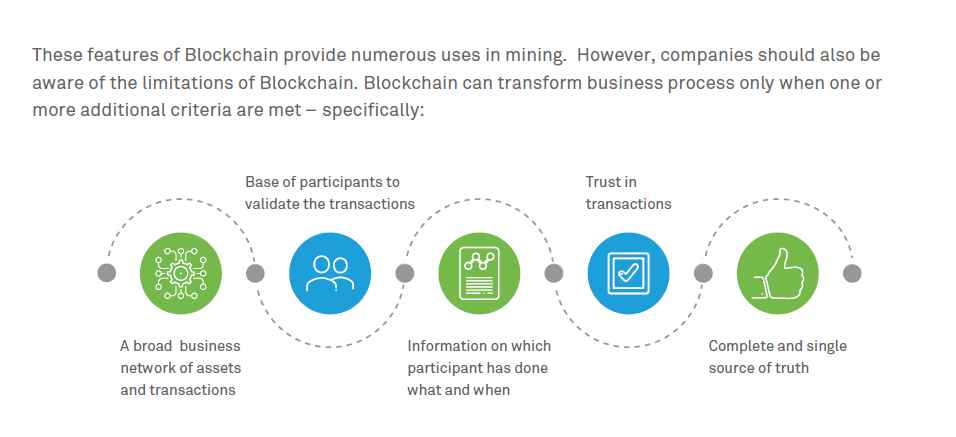
1. Enhanced Traceability of Raw Materials
Elaboration: Blockchain technology allows for an unprecedented level of traceability in the mining supply chain. Traditionally, it has been challenging to track the journey of raw materials from their point of origin to the end product. This opacity in the supply chain has raised concerns about the ethical sourcing of materials, especially in industries like electronics, where minerals like cobalt and lithium are essential.
With blockchain, every participant in the supply chain—from miners to manufacturers—enters verified information about their handling of the materials into a decentralized ledger. This ledger is immutable, meaning once data is recorded, it cannot be altered or tampered with. This creates a permanent, trustworthy record that can be accessed by all stakeholders, including regulatory bodies, companies, and consumers.
For example, in the diamond industry, the issue of blood diamonds (diamonds mined in war zones and sold to finance conflict) has been a major ethical concern. De Beers uses blockchain technology to ensure that every diamond can be traced back to a conflict-free mine, all the way through to the jeweler. This traceability not only reassures consumers but also helps companies comply with international ethical standards.
Learn more about De Beers’ blockchain journey in Forbes.
Why This Matters:
- Consumer Trust: Blockchain allows consumers to trust that the materials they are buying are sourced responsibly. For example, customers can verify that the gold in their jewelry is ethically mined or that the minerals in their smartphones are not contributing to conflict.
- Compliance: For companies, blockchain helps with compliance, as they can easily demonstrate to regulators that they are adhering to ethical sourcing laws.
2. Preventing “Conflict Minerals”
Elaboration: The term “conflict minerals” refers to minerals extracted in conflict zones where profits from the sale of these materials fund armed conflict or human rights abuses. Key conflict minerals include coltan, tungsten, tin, and tantalum (commonly referred to as 3TGs) as well as cobalt, which is heavily used in electric vehicle (EV) batteries.
Preventing conflict minerals from entering the global supply chain has been an enormous challenge for industries like consumer electronics and automotive manufacturing. Blockchain technology offers a solution by creating an immutable record of where these minerals are mined, who transports them, and where they are refined and manufactured. By integrating blockchain with existing certification schemes like the Kimberley Process (which ensures diamonds are conflict-free), companies can verify the ethical sourcing of minerals in real-time.
For example, Circulor, a blockchain-based platform, has successfully used blockchain to trace cobalt through the supply chain—from the mining site to the battery manufacturer. This guarantees that the cobalt used in electric vehicles is conflict-free and meets sustainability standards. Such transparency ensures that companies can meet their ethical obligations and that consumers can make informed choices about the products they purchase.
Explore Circulor’s success in tracking cobalt in Wired.
Why This Matters:
- Supply Chain Accountability: Blockchain brings accountability to the supply chain by ensuring that all parties involved are meeting ethical standards. This reduces the risk of unethical materials entering the market.
- Global Compliance: Many governments now require companies to verify that their products do not contain conflict minerals. Blockchain makes this process seamless and transparent, ensuring compliance with international regulations.
3. Improving Sustainability Metrics
The mining industry has long been criticized for its environmental impact. Issues such as deforestation, water contamination, greenhouse gas emissions, and hazardous waste production have plagued the sector, leading to increasing calls for greater sustainability. Companies are under immense pressure from regulators, investors, and consumers to reduce their environmental footprint.
Blockchain can play a pivotal role in improving sustainability metrics by providing real-time, transparent data on environmental factors such as carbon emissions, water usage, energy consumption, and waste management. Mining companies can record these metrics on the blockchain, ensuring that the data is accurate, tamper-proof, and easily accessible to regulators and stakeholders. This level of transparency makes it easier for companies to demonstrate compliance with environmental regulations, including carbon reduction goals.
In addition to regulatory compliance, blockchain helps to combat “greenwashing”—the practice of companies exaggerating or fabricating their environmental claims. Since blockchain data is immutable, companies can’t falsify or manipulate their sustainability metrics. Investors, NGOs, and consumers can trust that the data they are viewing is accurate, leading to more informed decision-making.
For example, a mining company that claims to use renewable energy sources for its operations can use blockchain to verify and publish its energy consumption records in real-time. This data can be used by investors who are increasingly focused on Environmental, Social, and Governance (ESG) criteria to make more responsible investments.
Key Benefits:
- Verified Sustainability Claims: Blockchain eliminates the risk of greenwashing by providing a verified and immutable record of sustainability metrics. Companies cannot alter or falsify their environmental data.
- Regulatory Compliance: By providing real-time access to environmental data, blockchain ensures that companies can more easily comply with stringent environmental regulations, which helps avoid fines and reputational damage.
- Investor Confidence: Investors are increasingly focusing on ESG factors. Blockchain makes it easier for mining companies to demonstrate their commitment to sustainability, attracting ESG-conscious investors.
4. Ethical Supply Chain Monitoring
The global supply chain in the mining industry is vast and interconnected, often involving numerous contractors, subcontractors, and suppliers spread across different regions. Ensuring that ethical practices are upheld at every level of the supply chain is a major challenge, particularly when it comes to labor rights, environmental impact, and sustainability. Blockchain offers a transformative solution by enabling real-time, immutable visibility into every step of the supply chain.
Blockchain’s immutable ledger technology ensures that once information is recorded, it cannot be altered. This feature makes it easier to enforce compliance with labor standards, environmental regulations, and other ethical guidelines, as stakeholders can monitor the supply chain at all times. Any unethical practices, such as child labor or environmentally destructive activities, can be identified and addressed immediately.
Case Study: Fairphone and Ethical Supply Chains
One real-world example of blockchain enhancing supply chain transparency is Fairphone, a Dutch smartphone manufacturer committed to ethical production. Fairphone uses blockchain technology to track the sourcing of minerals used in its phones, such as tin, tungsten, and cobalt. By recording each step of the mining and production process on a blockchain, Fairphone ensures that these materials are sourced responsibly, avoiding conflict zones and adhering to strict labor and environmental standards.
Blockchain provides Fairphone with the ability to:
- Monitor Suppliers: Ensure that every supplier along the chain complies with environmental and labor guidelines.
- Trace Materials: Verify that minerals used in its smartphones are sourced from conflict-free areas and produced under ethical conditions.
This transparency gives consumers confidence in the ethical sourcing of materials and helps Fairphone maintain its reputation as a leader in sustainable and ethical production.
Learn more about Fairphone’s commitment to ethical supply chains on their official website.
Benefits of Blockchain in Supply Chain:
- End-to-End Visibility: Blockchain provides full visibility into every stage of the supply chain, allowing companies to monitor supplier practices in real-time.
- Increased Accountability: By recording each transaction, blockchain ensures that all parties are held accountable for adhering to ethical and environmental standards.
- Fraud and Corruption Prevention: Blockchain’s transparency makes it extremely difficult for unethical practices, such as fraud or corruption, to occur in global mining operations.
5. Reducing Fraud and Corruption
The mining industry, especially in regions where governance is weak, has long been plagued by issues of fraud and corruption. These challenges are compounded by complex, opaque supply chains that make it difficult to track the movement and sale of raw materials. In such an environment, illegal mining, misrepresentation of goods, and unethical trading practices thrive.
Blockchain technology can dramatically reduce these issues by creating a permanent, tamper-proof record of every transaction that takes place within the supply chain. This record is shared across multiple parties, making it nearly impossible for any single actor to alter or manipulate data for personal gain.
Blockchain also facilitates the use of smart contracts—self-executing contracts with the terms of the agreement written directly into code. These contracts automatically enforce the conditions of the trade (such as the delivery of goods or payment), ensuring transparency and reducing the likelihood of fraudulent activity.
Fighting Illegal Mining with Blockchain
One of the most compelling examples of blockchain fighting corruption comes from Colombia, a country where illegal gold mining has been a persistent issue. Illegal mining not only deprives the government of taxes and royalties but also has severe environmental and social consequences, contributing to deforestation, water pollution, and human rights violations.
Blockchain technology has been employed in Colombia to track the origins of gold and ensure that it has been mined and traded legally. By using blockchain to certify the source of gold, mining companies, and regulators can better combat the illicit gold trade, ensuring that all gold entering the global market is legally and ethically sourced.
Learn more about how blockchain is being used to combat illegal mining in Colombia in MIT Technology Review.
Why Blockchain Reduces Fraud and Corruption:
- Immutable Transactions: Each transaction is permanently recorded, making it impossible to alter or delete, which greatly reduces opportunities for fraud.
- Smart Contracts: Blockchain’s smart contracts ensure that all agreements between parties are transparent and automatically enforced, eliminating the possibility of unrecorded payments or manipulated deals.
- Multiple Party Verification: Transactions on a blockchain must be verified by multiple parties, adding another layer of transparency and making it harder to conceal illegal activities.
6. Facilitating Compliance with Regulatory Standards
Elaboration: Mining companies today face increasing pressure to comply with local and international regulations, particularly around labor rights, safety standards, and environmental protection. As regulations tighten, especially with the growing focus on Environmental, Social, and Governance (ESG) factors, mining companies must demonstrate their commitment to responsible operations.
Blockchain technology streamlines compliance by creating an immutable ledger of key data, such as environmental metrics (e.g., carbon emissions and water usage), safety inspections, and labor conditions. This data can be made readily available to regulatory bodies, auditors, and other stakeholders. Rather than relying on complex paperwork or opaque systems, blockchain ensures that all compliance-related information is easily accessible and verifiable in real-time.
Streamlining Reporting and Accountability
One of the significant benefits of blockchain in compliance is the reduction of the administrative burden. Regulatory authorities can monitor compliance by accessing blockchain data in real-time, eliminating the need for companies to submit detailed reports manually. Blockchain also allows companies to demonstrate compliance with multiple regulatory frameworks across different countries or regions, which is particularly valuable for global mining operations.
Why Blockchain Improves Compliance:
- Real-Time Monitoring: Regulatory bodies can track mining operations in real-time, ensuring that companies meet their environmental, labor, and safety obligations.
- Tamper-Proof Records: Blockchain’s immutable nature ensures that compliance data cannot be altered or falsified.
- Streamlined Auditing: With all relevant compliance data stored on a transparent, decentralized ledger, auditing becomes faster and more straightforward, reducing the time and resources spent on manual reporting.
7. Promoting Investor Confidence and Consumer Trust
Elaboration: As the focus on ESG (Environmental, Social, and Governance) criteria grows, investors and consumers are increasingly demanding transparency from the companies they support. Investors want assurance that the companies they are funding are operating ethically, sustainably, and in compliance with global standards. Similarly, consumers are becoming more conscious of the materials used in their products, particularly in industries like electronics, jewelry, and electric vehicles.
Blockchain provides a solution by enabling real-time access to verified data on how materials are sourced, processed, and transported. This level of transparency allows companies to prove their ESG credentials, instilling confidence in both investors and consumers.
Example: IBM Blockchain for Mining Transparency
IBM has been a leader in using blockchain to bring transparency to global supply chains, and the mining industry is no exception. IBM initially developed its IBM Food Trust platform to track the food supply chain, but the technology has since been adapted to other industries, including mining. The platform provides end-to-end visibility into the sourcing, processing, and transportation of raw materials, allowing investors, regulators, and consumers to verify that ethical and sustainable practices are being followed.
Discover more about how IBM is using blockchain in mining.
Why Blockchain Boosts Investor and Consumer Confidence:
Competitive Advantage: Companies that use blockchain to demonstrate transparency and ethical sourcing gain a competitive edge in markets where ESG criteria are increasingly important.Discover how IBM is using blockchain in mining.
Verified ESG Credentials: Blockchain allows investors to verify a company’s adherence to ESG standards, reducing risk and increasing trust.
Consumer Assurance: Consumers can trace the origins of materials in their products, ensuring they are ethically and sustainably sourced, which promotes brand loyalty.
Challenges to Blockchain Implementation in Mining
While blockchain presents transformative potential for enhancing transparency, traceability, and accountability in the mining industry, its adoption is not without hurdles. Several challenges need to be addressed for widespread integration, particularly in a sector as complex and capital-intensive as mining. These challenges include high implementation costs, the complexity of integrating blockchain with legacy systems, and concerns around data privacy.
1. High Implementation Costs
One of the most significant barriers to blockchain adoption in mining is the high upfront investment required for its implementation. Deploying blockchain systems involves purchasing or developing customized software, upgrading infrastructure, and training personnel. For large multinational mining companies, these costs may be justifiable due to the long-term benefits in efficiency, compliance, and transparency. However, for smaller or mid-sized mining operations, the financial burden of adopting blockchain technology can be prohibitive.
Moreover, blockchain requires a robust network infrastructure capable of handling large amounts of data in real-time, particularly for larger mining projects that generate extensive operational data. This includes investment in data storage, processing capabilities, and secure network connections, which can be especially costly in remote mining locations with limited access to high-speed internet.
Real-World Challenge:
A report by Deloitte on blockchain adoption highlights that many industries face similar challenges when trying to implement blockchain, as it often requires tailored solutions rather than off-the-shelf products. Mining companies must weigh the long-term return on investment (ROI) of blockchain technology against the immediate cost barriers. This is especially true for mineral supply chains, where the cost of implementation may exceed the perceived benefits unless larger industry players lead the charge.
Learn more about blockchain implementation challenges from Deloitte’s Blockchain Report.
2. Complexity of Integration with Existing Systems
Mining operations often rely on legacy systems, which may have been in place for decades. These older systems manage various aspects of the mining process, from inventory management and transportation logistics to monitoring equipment and safety compliance. Integrating blockchain into these established systems is neither easy nor straightforward, as blockchain requires advanced compatibility with modern technologies.
Integrating blockchain with these legacy IT infrastructures involves:
- Overhauling current software systems to ensure they can communicate effectively with blockchain platforms.
- Developing API (Application Programming Interface) connections to link blockchain with existing databases.
- Collaborating with third-party technology providers to develop customized blockchain solutions tailored to the mining industry.
The complexity of this process can lead to operational downtime, additional costs for software development, and a steep learning curve for IT departments and employees alike. It also necessitates ongoing collaboration between mining companies and technology providers, which can further complicate the rollout of blockchain systems.
Real-World Challenge:
In countries like Australia, where mining is a cornerstone of the economy, some companies have successfully integrated blockchain with their existing operations. However, Australian mining consultancy Snowden noted that the process required significant upfront changes to their legacy systems to ensure interoperability. For many mining companies, especially those with global operations, the challenge of integrating new technologies across various jurisdictions and regulatory frameworks can make blockchain adoption a time-consuming and expensive endeavor.
Learn more about integration challenges in mining from the World Economic Forum.
3. Data Privacy Concerns
While blockchain is celebrated for its transparency and immutability, these same qualities can raise concerns about data privacy within the competitive mining industry. Blockchain’s decentralized nature means that once data is entered into the system, it cannot be altered or erased, and it is accessible to all stakeholders. While this feature promotes accountability and ethical practices, it also poses potential risks related to sharing proprietary information or intellectual property.
For example, mining companies may be hesitant to share detailed data about the location, quality, or quantity of mineral resources for fear that competitors could access and use this information to their advantage. This is particularly problematic in highly competitive mining sectors, such as precious metals or rare earth elements, where the slightest advantage in knowledge or resource location can have significant financial implications.
Moreover, regulatory requirements in various jurisdictions may conflict with the transparency inherent in blockchain. For example, in the European Union (EU), the General Data Protection Regulation (GDPR) emphasizes the right to erasure—which is at odds with blockchain’s fundamental principle of immutability. Ensuring compliance with local and international privacy laws while utilizing blockchain’s full potential is a key challenge for the mining industry.
Real-World Challenge:
In the case of IBM’s blockchain platform, which was adapted for mining transparency, the company had to address concerns from industry stakeholders about how sensitive data would be protected while still providing visibility into the supply chain. IBM tackled this issue by enabling permissioned blockchains—where only approved parties have access to certain data. However, implementing these safeguards adds another layer of complexity to blockchain projects, particularly in highly competitive markets.
Explore how IBM is addressing data privacy challenges in blockchain in their Blockchain for Mining blog.
Overcoming the Challenges: The Path Forward
Despite the challenges, there are emerging solutions that can help mining companies adopt blockchain effectively:
Hybrid Blockchain Models: Implementing hybrid blockchain models, where sensitive data can remain private but essential transactional data remains transparent, offers a compromise between data privacy and transparency. Permissioned blockchains can be designed to ensure that proprietary information is only visible to authorized parties.
Collaboration Across the Industry: Major mining companies could join forces with blockchain technology providers to develop industry-wide platforms that are scalable and cost-effective. This approach could reduce the financial burden on individual mining operations, particularly smaller ones.
Pilot Programs and Government Support: Governments can play a role in supporting blockchain adoption in mining by providing funding for pilot programs or offering tax incentives for companies that integrate blockchain to promote sustainability and transparency.
Blockchain-as-a-Service (BaaS): Companies like Microsoft and IBM are offering Blockchain-as-a-Service(BaaS) solutions, which provide mining companies with a cloud-based, managed service to implement blockchain without the need to build infrastructure from scratch. This significantly reduces both costs and complexity.
The Future of Blockchain in Mining
While the adoption of blockchain technology in the mining sector faces notable challenges—including high implementation costs, the complexity of integrating with legacy systems, and concerns over data privacy—its potential benefits far outweigh these obstacles. By ensuring greater transparency, reducing fraud, and fostering compliance with ethical and environmental standards, blockchain is set to revolutionize how mining companies operate. Over time, as costs decrease, integration improves, and regulatory frameworks adapt to new technologies, blockchain is expected to become a standard feature of global mining operations.
With continued investment, collaboration, and technological advancements, blockchain has the potential to not only address the mining industry’s long-standing issues but also drive it toward a more sustainable and transparent future.
FAQ
- How does blockchain improve transparency in mining? Blockchain records every step of the mining supply chain, providing a decentralized, immutable ledger that allows stakeholders to verify the origin and ethical sourcing of raw materials.
- Can blockchain help combat conflict minerals? Yes, blockchain ensures minerals are sourced from conflict-free zones by providing verifiable data that tracks the journey of materials from the mine to the final product.
- How does blockchain enhance sustainability in mining? Blockchain tracks environmental data like emissions, water usage, and waste in real-time, promoting eco-friendly practices and ensuring compliance with sustainability goals.
- What are the costs of implementing blockchain in mining? The initial costs of blockchain include investment in infrastructure, software, and training, but long-term transparency and efficiency gains can offset these costs.
- What is the future of blockchain in mining? Blockchain will drive innovation, particularly in ethical sourcing, environmental monitoring, and supply chain transparency, as more mining companies adopt the technology.
In conclusion, the integration of blockchain technology into the mining industry has the potential to bring about a new era of transparency, ethical sourcing, and sustainability. As companies increasingly adopt blockchain solutions, they will not only ensure regulatory compliance but also build trust with investors, consumers, and stakeholders alike. By enhancing traceability, preventing fraud, and promoting environmentally friendly practices, blockchain is set to transform how the mining sector operates, making it more efficient and accountable.
If you’re eager to explore more in-depth insights into the world of mining, don’t miss these compelling articles:
- 7 Strategic Insights into Metal Ore Mining Economics
- 5 Powerful Trade Policies Shaping the Metal Ore Market
- Developing Countries: 7 Insights on Chromite Mining
- 5 Strategies for the International Metal Trade Market
- 5 Strategic Opportunities in the Metal Ore Industry
- Currency Fluctuations and Their Impact on Metal Ore Prices
- 7 Key Risk Management Strategies for Metal Ore Trading
- 10 Ways AI in Mining Revolutionizes the Industry
To stay updated on the latest innovations and developments in the mining industry, be sure to connect with us on LinkedIn and follow our insights on Medium.
