
Table of Contents:
- Introduction to Autonomous Mining Vehicles
- The Role of Autonomous Vehicles in Mining Operations
- Top 7 Benefits of Using Autonomous Vehicles in Mining
- 3.1 Enhanced Safety for Workers
- 3.2 Increased Operational Efficiency
- 3.3 Reduced Operational Costs
- 3.4 Boosting Productivity
- 3.5 Better Resource Management and Sustainability
- 3.6 Reduced Environmental Impact
- 3.7 Increased Precision in Operations
- Real-World Examples of Autonomous Mining Vehicles
- Challenges and Considerations in Implementing Autonomous Mining Vehicles
- The Future of Autonomous Vehicles in Mining
- Conclusion
- FAQs
Introduction to Autonomous Mining Vehicles
The mining industry has experienced a technological revolution in recent years, driven by innovations in automation, artificial intelligence, and robotics. One of the most transformative technologies to emerge is the use of autonomous vehicles in mining. These vehicles, controlled by advanced algorithms and sensors, can operate with minimal human intervention, transforming the way mining companies manage their operations.
Autonomous mining vehicles are becoming increasingly common in major mining operations around the world. They are designed to handle heavy loads, navigate challenging terrain, and operate 24/7 without the risks associated with human error. From hauling trucks to loaders and excavators, autonomous vehicles are proving to be game-changers in the mining sector.
In this article, we will explore the top seven benefits of using autonomous vehicles in mining, their real-world applications, and the future of this groundbreaking technology in the industry. We’ll also look at the challenges mining companies may face when implementing these vehicles and what trends lie ahead.
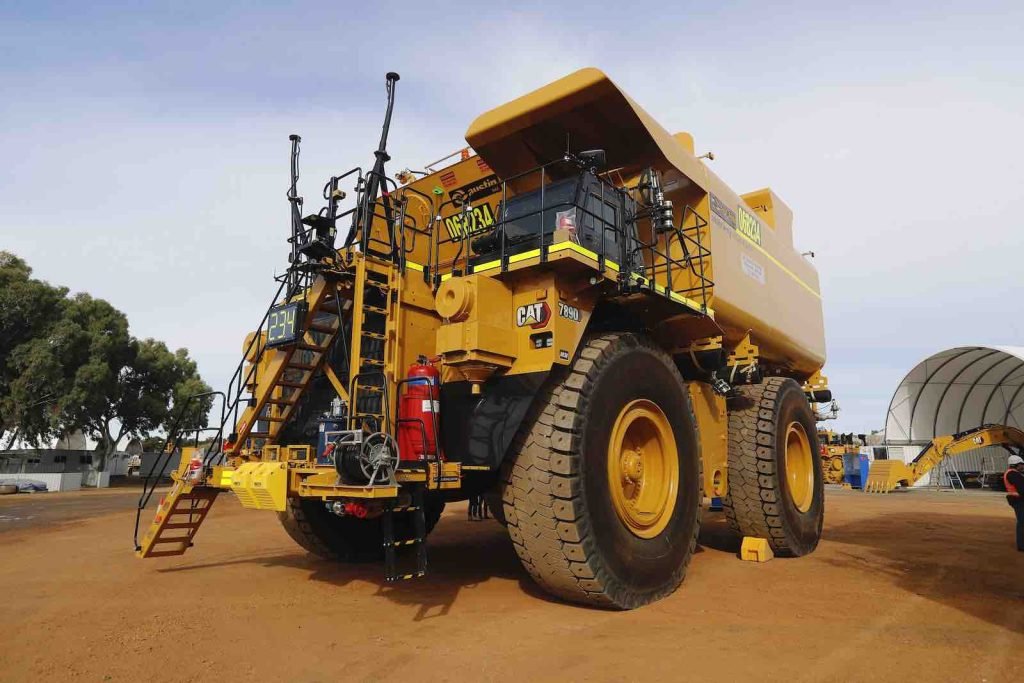
The Role of Autonomous Vehicles in Mining Operations
Mining operations are highly complex, involving multiple stages such as exploration, extraction, transportation, and processing. Autonomous vehicles (AVs) play a crucial role in improving efficiency across these stages by reducing human involvement in repetitive and dangerous tasks. These vehicles can operate in extreme environments, improving operational safety and ensuring round-the-clock productivity.
Autonomous vehicles in mining are equipped with advanced technologies such as GPS, LiDAR, radar, and various sensors, enabling them to detect obstacles, avoid collisions, and navigate the terrain with precision. This automation is typically supported by remote operation centers, where experts monitor the vehicles and intervene if necessary.
Companies such as Rio Tinto, BHP, and Caterpillar are already reaping the benefits of autonomous mining technology, setting new benchmarks for efficiency and safety in the sector (source).
Top 7 Benefits of Using Autonomous Vehicles in Mining
3.1 Enhanced Safety for Workers
One of the most significant benefits of autonomous mining vehicles is their ability to improve safety. Mining operations often involve hazardous environments where workers are exposed to dangerous conditions such as falling debris, gas leaks, and mechanical failures. By reducing the need for human presence in these areas, autonomous vehicles help to minimize the risk of accidents and injuries.
According to a study conducted by McKinsey & Company, autonomous vehicles can reduce accidents by 15–30%, thanks to their ability to perform tasks more consistently than human-operated machines (source). The integration of autonomous vehicles helps to ensure a safer work environment and protect the well-being of employees.
3.2 Increased Operational Efficiency
Autonomous mining vehicles are designed to work 24/7, with minimal downtime required for shift changes, rest periods, or human intervention. This leads to a dramatic increase in operational efficiency. Unlike human operators, these machines can continue to perform tasks such as hauling, drilling, and loading for extended periods without fatigue, resulting in consistent productivity.
Furthermore, with AI and machine learning, these vehicles can optimize routes, reducing the time it takes to transport materials from the mining site to the processing area. This contributes to shorter cycle times and higher throughput.
3.3 Reduced Operational Costs
While the initial investment in autonomous vehicles may be substantial, mining companies can realize significant cost savings in the long term. Automation helps to reduce labor costs, as fewer operators are needed to run the machines. Moreover, autonomous vehicles tend to operate more efficiently, consuming less fuel and requiring less frequent maintenance due to their ability to perform tasks with greater precision.
A Goldman Sachs report estimated that autonomous vehicles could reduce operating costs in the mining industry by up to 30% (source). These savings are realized through reduced labor costs, fewer accidents, less equipment downtime, and optimized fuel consumption.
3.4 Boosting Productivity
Mining companies that use autonomous vehicles often experience increased productivity. These vehicles can operate continuously and consistently, resulting in higher output levels. According to Caterpillar, autonomous haul trucks have been shown to improve productivity by as much as 20% compared to traditional human-operated vehicles (source).
Additionally, AI-powered machines can make real-time decisions based on data collected from sensors and analytics platforms, allowing them to adapt to changing conditions, such as varying terrain or weather, without the need for human intervention. This agility enhances overall productivity.
3.5 Better Resource Management and Sustainability
Autonomous mining vehicles help companies manage resources more efficiently. These vehicles can reduce material waste by precisely controlling loading and unloading processes, optimizing ore extraction, and reducing overburden movement. Additionally, AI-driven technologies allow mining operations to monitor and optimize resource usage, including water and energy, contributing to more sustainable practices.
By automating repetitive tasks, mining companies can decrease the environmental impact of their operations. For example, better control of machinery leads to less wear and tear, lower fuel consumption, and reduced emissions.
3.6 Reduced Environmental Impact
Mining has traditionally been associated with environmental degradation due to deforestation, emissions, and land use. Autonomous vehicles, powered by AI algorithms, can help minimize these impacts. For example, automated trucks and loaders can follow optimized routes that consume less fuel, reducing carbon emissions.
In addition, these vehicles contribute to mining sustainability efforts by reducing noise pollution and minimizing disruption to the natural habitat. Companies like Komatsu and Sandvik are at the forefront of creating environmentally friendly autonomous mining vehicles (source).
3.7 Increased Precision in Operations
The use of autonomous vehicles significantly improves the precision of mining operations. Unlike human-operated machines, autonomous vehicles follow pre-programmed routes and can measure distances, speeds, and loading quantities with incredible accuracy. This precision reduces material loss and ensures that resources are extracted efficiently, leading to cost savings and improved profitability.
The precision of AI-controlled vehicles also reduces the likelihood of errors in drilling, blasting, and transportation, which can lead to costly operational delays.
Real-World Examples of Autonomous Mining Vehicles
Autonomous mining vehicles are transforming the industry by reducing human involvement in high-risk tasks, increasing operational efficiency, and enhancing safety. Here are a few groundbreaking examples of companies leading the charge in autonomous mining vehicle adoption:
1. Rio Tinto’s AutoHaul Project
One of the most impressive examples of autonomous technology in mining is Rio Tinto’s AutoHaul project, which is the world’s first fully autonomous heavy-haul railway network. Located in Western Australia, AutoHaul is responsible for transporting iron ore from Rio Tinto’s mines to the coast for shipment. The system operates over 1,700 kilometers of track, and the autonomous trains can run without human intervention for up to 40 hours at a time.
This revolutionary project allows Rio Tinto to significantly cut down on transport time, optimize fuel usage, and reduce the need for human operators in dangerous environments. Since its launch, AutoHaul has transported millions of tons of iron ore, setting a new standard for efficiency and safety in the mining industry. Read more about Rio Tinto’s AutoHaul.
2. Komatsu’s Autonomous Haulage Systems (AHS)
Komatsu, a leading mining equipment manufacturer, has also been pioneering the use of autonomous haul trucks in mining operations. Komatsu’s Autonomous Haulage Systems (AHS) are used in mines across Australia, North America, and South America, where they are making a notable impact on efficiency and safety. Komatsu’s autonomous trucks can transport over 290 tons of material without a driver, navigating complex mine sites using GPS, radar, and onboard computers. These vehicles have been proven to reduce accidents and operate with greater fuel efficiency compared to human-operated trucks.
The company reports that its autonomous trucks have logged more than 4.5 billion tons of material moved as of 2020. By removing human drivers from the equation, Komatsu’s AHS reduces the risk of injury while allowing for continuous 24-hour operation, further driving down costs. Learn more about Komatsu’s AHS.
3. Caterpillar’s Autonomous Mining Fleet
Caterpillar, another giant in the mining industry, has been deploying autonomous trucks in large-scale mining operations through its Cat Command for Hauling system. Mines in countries such as Canada, the USA, and Brazil are now using Caterpillar’s fleet of autonomous trucks. These trucks can be remotely controlled from a command center located miles away from the mine site, drastically improving safety by keeping operators out of harm’s way.
Additionally, Caterpillar’s autonomous trucks are designed to reduce downtime by performing consistent and efficient hauling operations, regardless of weather conditions or time of day. One of the key benefits reported is the increased tire life due to the smooth, consistent operation of the vehicles, leading to longer-lasting equipment and lower operational costs. Check out how Caterpillar’s autonomous fleet is changing the mining landscape.
These examples highlight how autonomous mining vehicles are being successfully integrated into mining operations, reducing the reliance on human labor, enhancing safety, and driving operational efficiencies that allow companies to remain competitive in an increasingly automated world.
Challenges and Considerations in Implementing Autonomous Mining Vehicles
While the benefits of integrating autonomous vehicles into mining operations are clear—such as enhanced safety, reduced labor costs, and increased efficiency—there are significant challenges that mining companies must overcome to fully embrace this technology.
1. High Upfront Costs
One of the biggest hurdles for mining companies considering the adoption of autonomous vehicles is the high initial investment. Autonomous haul trucks and other vehicles are expensive, and the costs go beyond just purchasing the equipment. Companies must also invest in upgrading their infrastructure, installing GPS systems, implementing remote-control systems, and maintaining these complex machines. For smaller mining companies, the capital required can be prohibitive, making it difficult for them to compete with larger corporations that have more resources to implement such technologies. Additionally, long-term maintenance costs can add up, as autonomous vehicles rely on high-tech sensors, software, and GPS systems that must be regularly maintained and updated.
2. Workforce Training and Upskilling
Introducing autonomous vehicles requires a significant shift in the skill set needed from the workforce. Workers who were previously trained in manual operation of machinery now need to be trained in operating and maintaining complex, high-tech systems. This skills gap can be a major roadblock for mining companies. The transition requires investment in worker training and upskilling programs, ensuring that employees can operate and troubleshoot these autonomous systems.
Furthermore, there may be resistance from workers who fear that automation will lead to job losses, creating tension between management and the workforce. To mitigate this, companies need to emphasize how automation can create new types of roles, such as those focused on system maintenance, programming, and data analysis, rather than simply eliminating traditional jobs.
3. Integration with Existing Equipment and Infrastructure
Another challenge is the complexity of integrating autonomous vehicles with existing infrastructure and machinery. Many mines still rely on older equipment that may not be compatible with modern autonomous systems. Retrofitting this older machinery to communicate effectively with autonomous vehicles can be expensive and time-consuming. Moreover, communication systems such as Wi-Fi, GPS, and radio networks need to be upgraded to ensure seamless data transmission between vehicles and control centers. In remote areas, this can be especially challenging, as poor network coverage can hinder the real-time monitoring and control of autonomous fleets. Additionally, the physical layout of a mine may need to be reconfigured to accommodate autonomous operations, further increasing costs and complexity.
4. Regulatory and Safety Compliance
Mining companies must also navigate a complex regulatory environment when implementing autonomous vehicles. Different countries and regions have varying safety regulations, and autonomous vehicles may need to meet specific criteria to be allowed on-site. For instance, ensuring that autonomous vehicles comply with local labor laws, environmental regulations, and safety standards can be a time-consuming process. Autonomous vehicles also introduce new challenges in terms of safety protocols. Although these vehicles can reduce the risk of human error, they may introduce new risks, such as system malfunctions or failures in detecting hazards. Ensuring that all systems are fail-safe and that emergency protocols are in place is essential for protecting workers and meeting regulatory requirements.
5. Resistance to Change
Lastly, the cultural shift associated with automation can create resistance among both workers and management. Employees may fear job losses, while some managers may resist the idea of relinquishing control to machines. This resistance can slow down the adoption of autonomous vehicles, even in companies that have the resources to implement the technology.
To combat this, mining companies need to clearly communicate the long-term benefits of automation, such as improved safety and new opportunities for upskilling. Engaging employees in the transition process and offering transparent communication can help alleviate concerns and foster a culture of innovation. losses due to automation. Regulatory hurdles and the need to upgrade network and communication systems for real-time data transmission can also pose barriers to the adoption of autonomous vehicles.
The Future of Autonomous Vehicles in Mining
The future of autonomous vehicles in mining is bright, with ongoing advancements in AI, machine learning, and robotics driving further innovation. Mining companies are expected to transition toward fully autonomous operations, where entire mining sites are managed and operated by AI-powered machines with minimal human involvement.
Emerging trends include the use of remote operations centers, where experts control fleets of autonomous vehicles across multiple mining sites, and the integration of renewable energy sources to power autonomous mining fleets.
As more companies adopt these vehicles, the technology will continue to evolve, with increased efficiency, lower costs, and enhanced sustainability becoming the norm.
Conclusion
Autonomous vehicles are revolutionizing the mining industry by enhancing safety, improving efficiency, and reducing costs. As more mining companies recognize the benefits of this technology, the adoption of autonomous vehicles is set to increase, paving the way for safer, more efficient, and environmentally friendly mining operations.
FAQs
1. How do autonomous vehicles improve safety in mining?
Autonomous vehicles reduce the need for human workers to be in hazardous environments, minimizing the risk of accidents and injuries.
2. What are the cost benefits of using autonomous vehicles in mining?
Autonomous vehicles reduce operational costs through optimized fuel consumption, less equipment downtime, and reduced labor expenses.
3. Are there any environmental benefits to using autonomous vehicles in mining?
Yes, autonomous vehicles can reduce emissions, minimize environmental disturbances, and optimize resource use, contributing to sustainability efforts.
4. What challenges do mining companies face in implementing autonomous vehicles?
Challenges include high upfront costs, the need for specialized employee training, and integrating the technology with existing systems.
5. What does the future hold for autonomous vehicles in mining?
The future of autonomous vehicles in mining includes fully automated sites, remote operations centers, and continued advancements in AI and robotics.
As the mining industry continues to evolve, innovations such as autonomous vehicles and AI-driven strategies are reshaping its future. The integration of advanced technologies not only enhances efficiency and safety but also paves the way for more sustainable mining practices. For companies looking to stay competitive, embracing these technological advancements is no longer optional—it’s essential for long-term success.
If you’d like to explore more about these groundbreaking innovations and strategic insights in the mining industry, check out some of our in-depth articles:
- 7 Strategic Insights into Metal Ore Mining Economics
- 5 Powerful Trade Policies Shaping the Metal Ore Market
- Developing Countries: 7 Insights on Chromite Mining
- 5 Strategies for International Metal Trade Market
- 5 Strategic Opportunities in the Metal Ore Industry
- Currency Fluctuations and Their Impact on Metal Ore Prices
- 7 Key Risk Management Strategies for Metal Ore Trading
- 10 Ways AI in Mining Revolutionizes the Industry
Stay connected with Bare Syndicate for more updates!
Follow us on LinkedIn or check out our latest insights on Medium.
